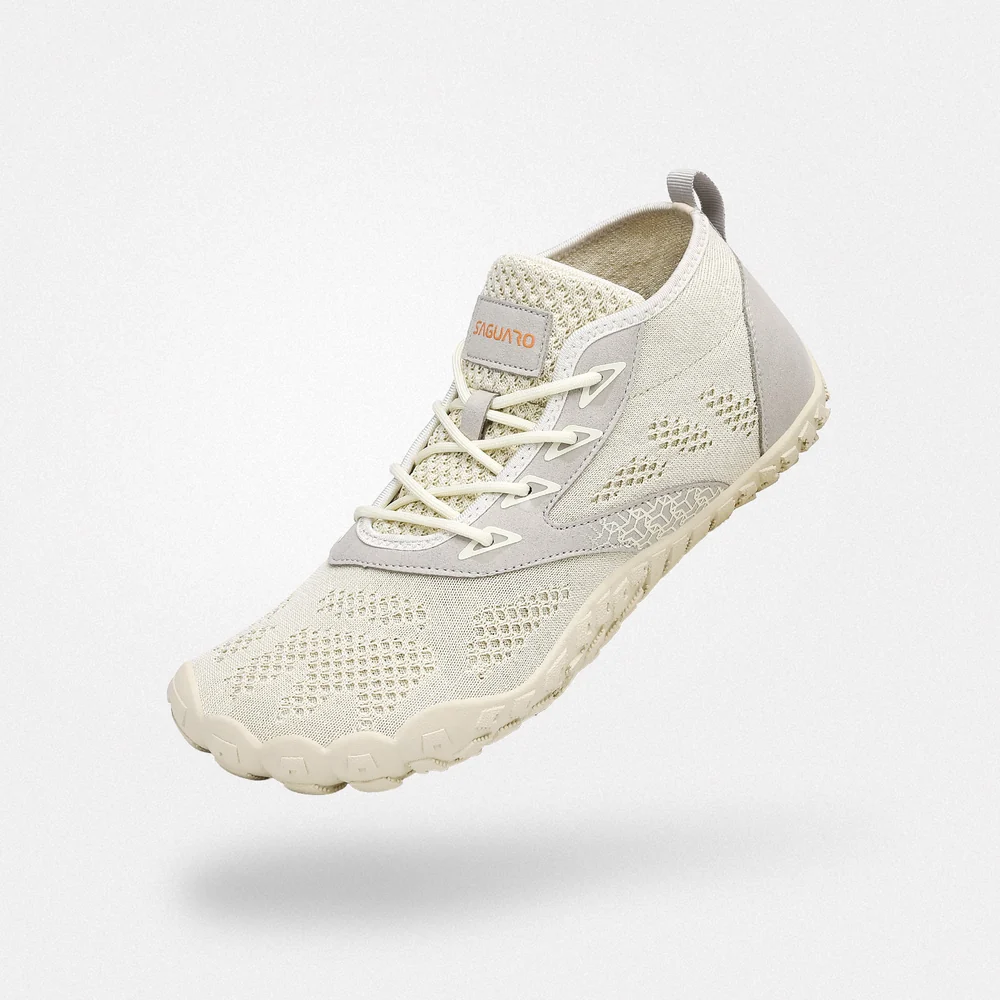
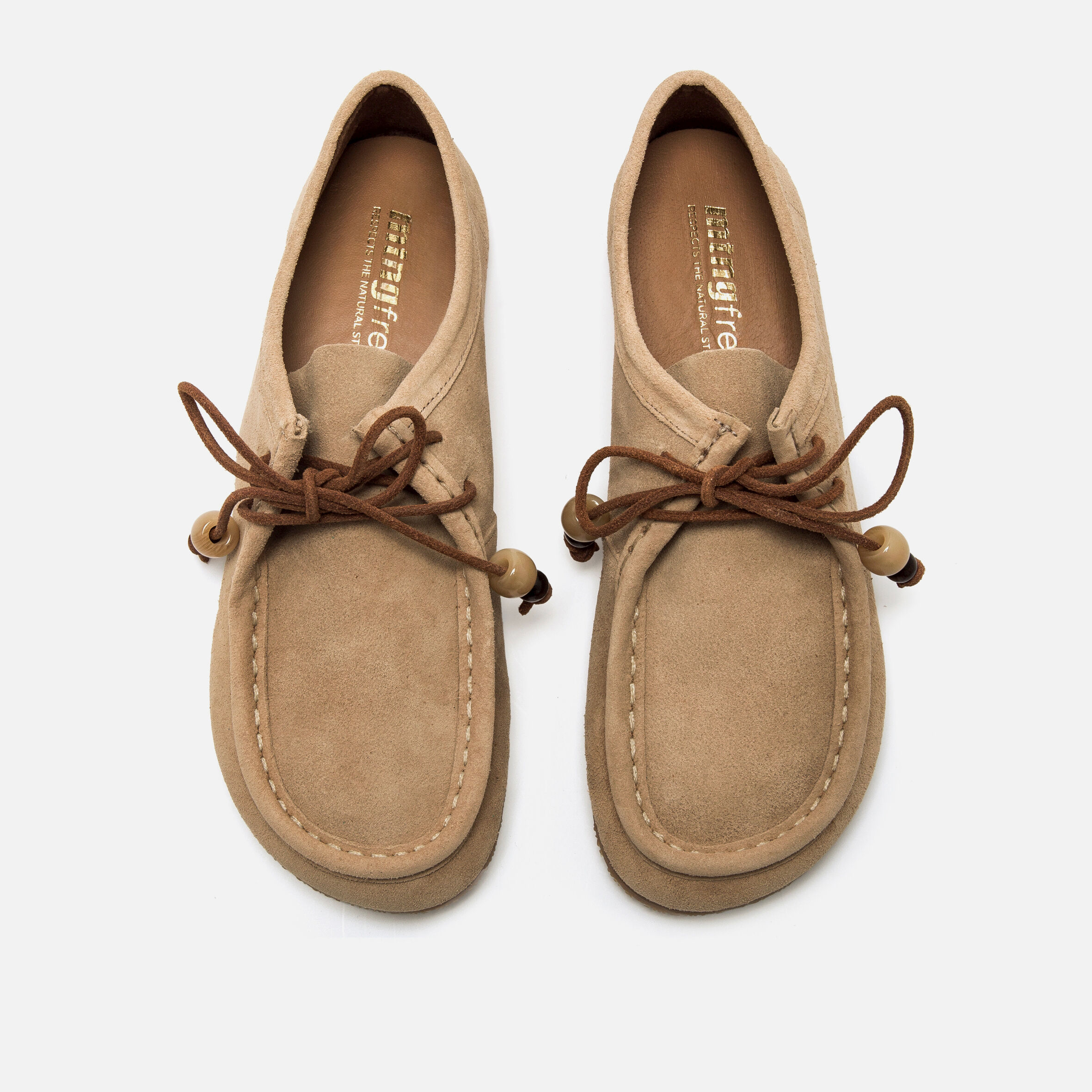
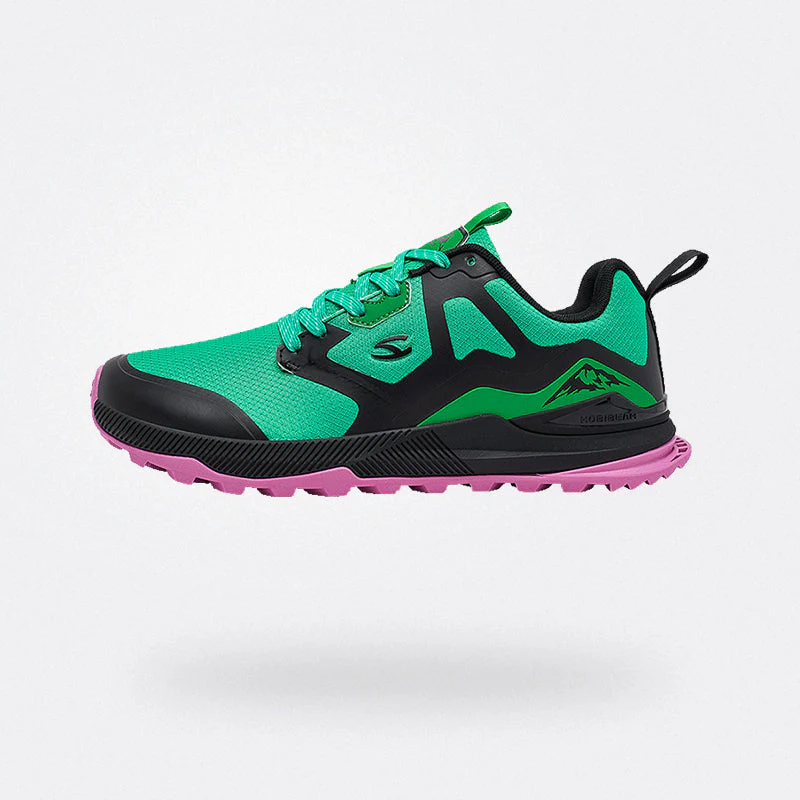
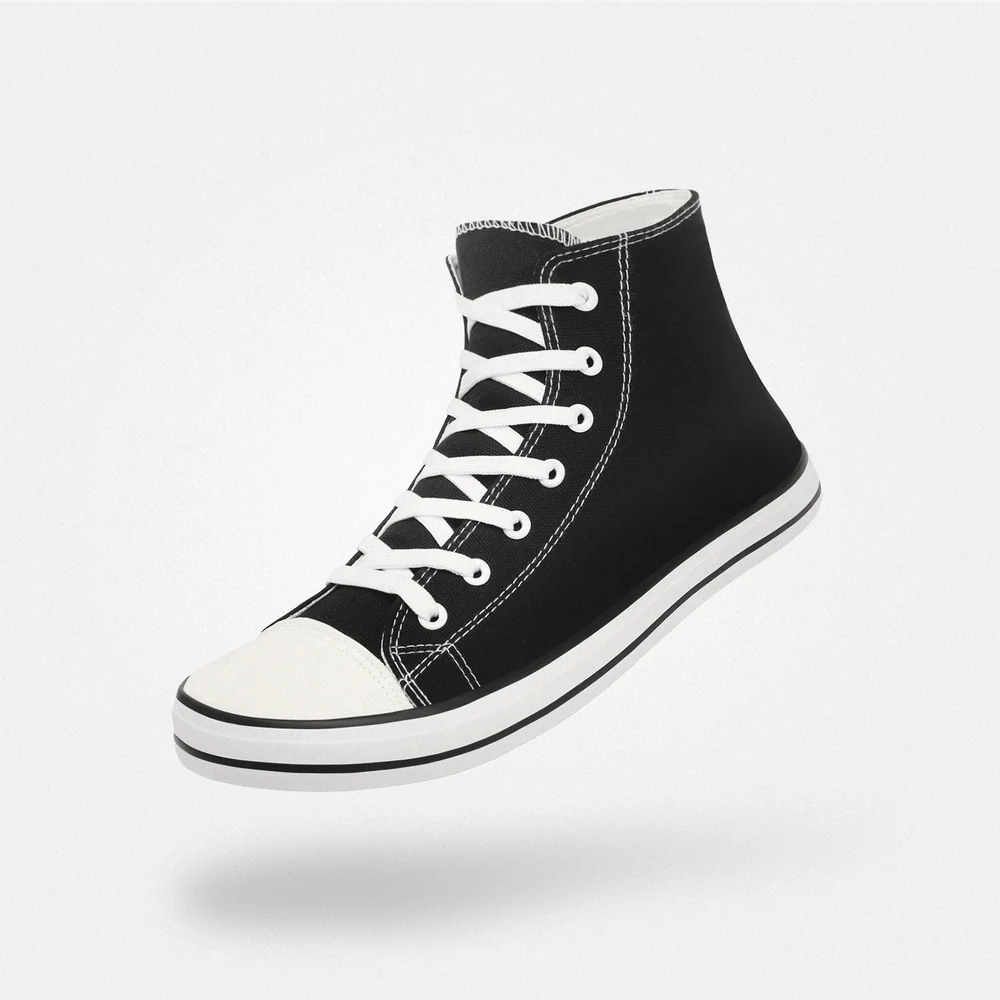
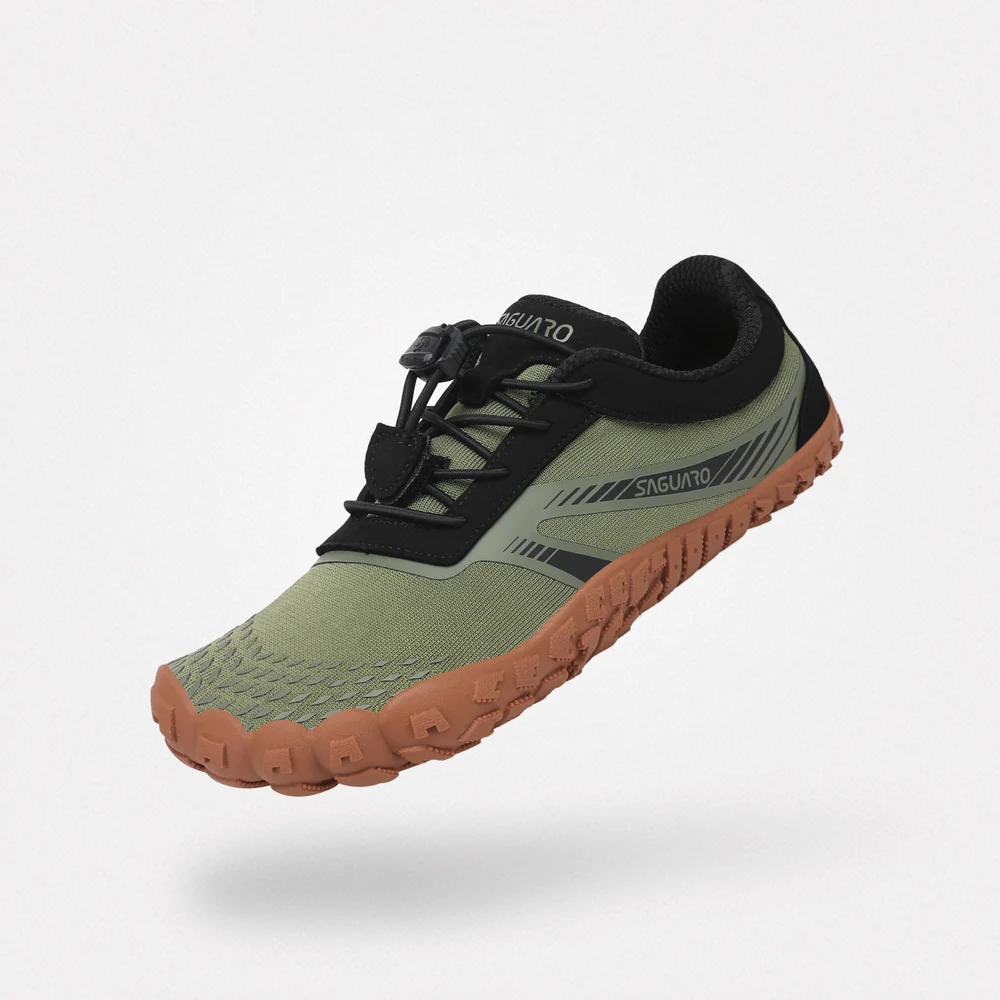
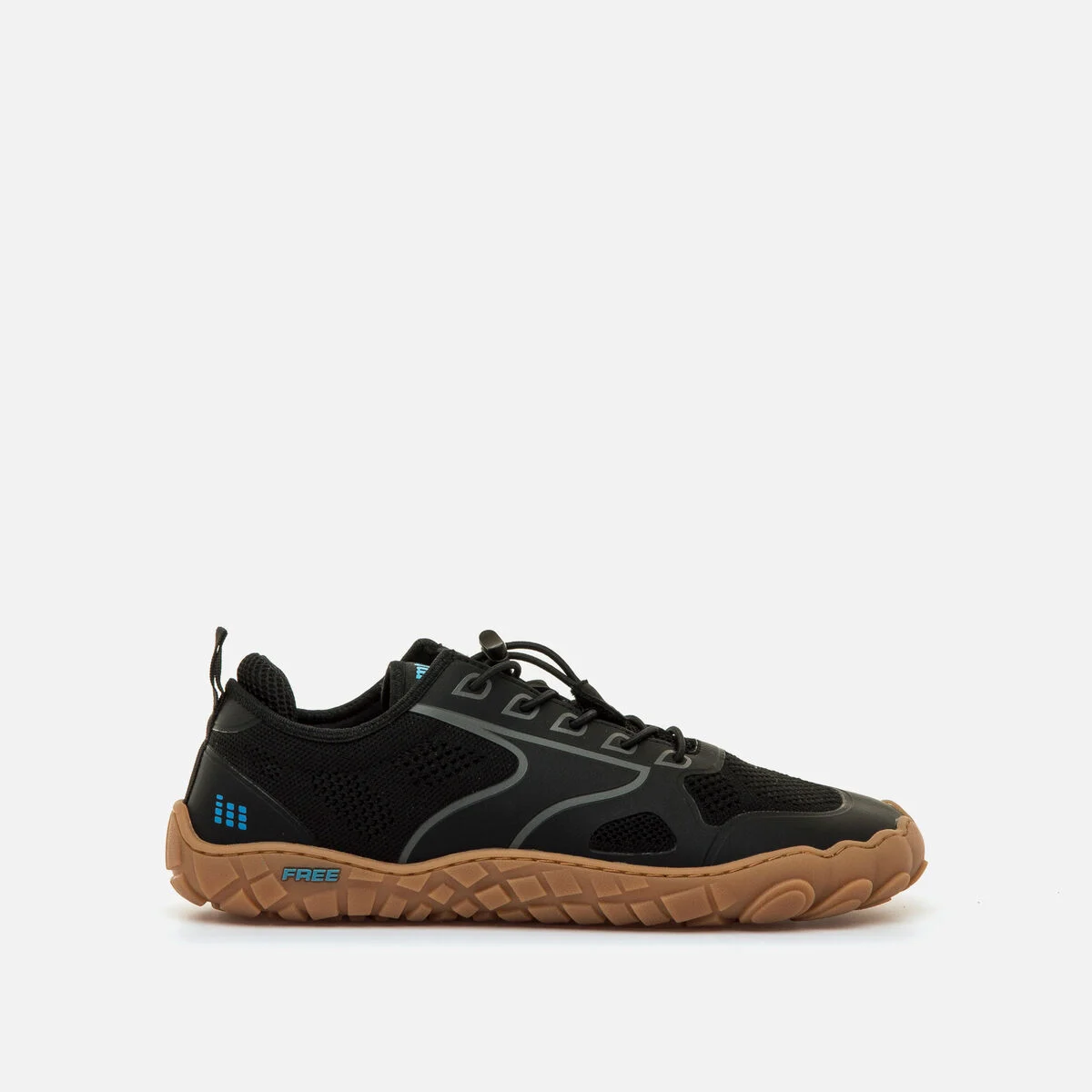
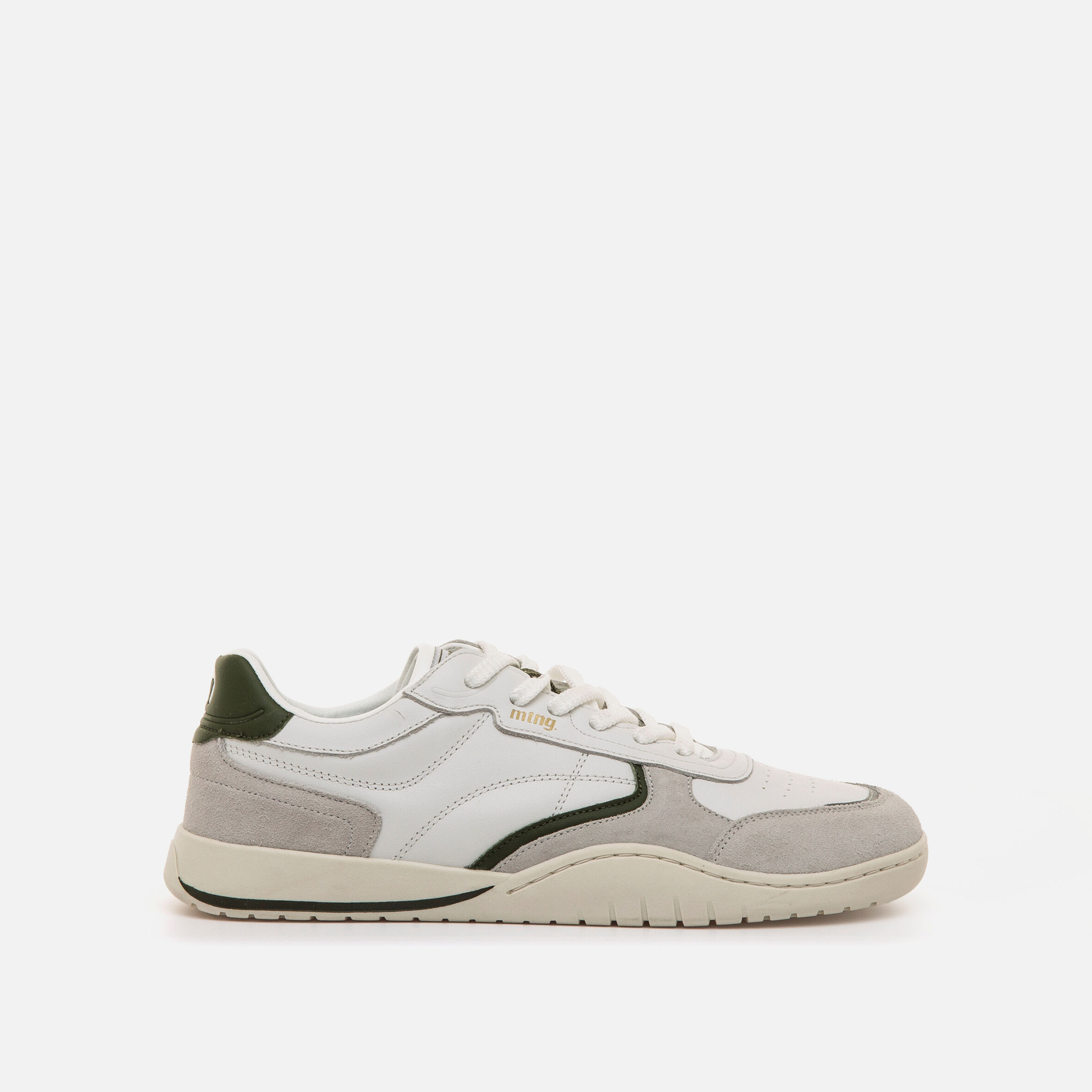

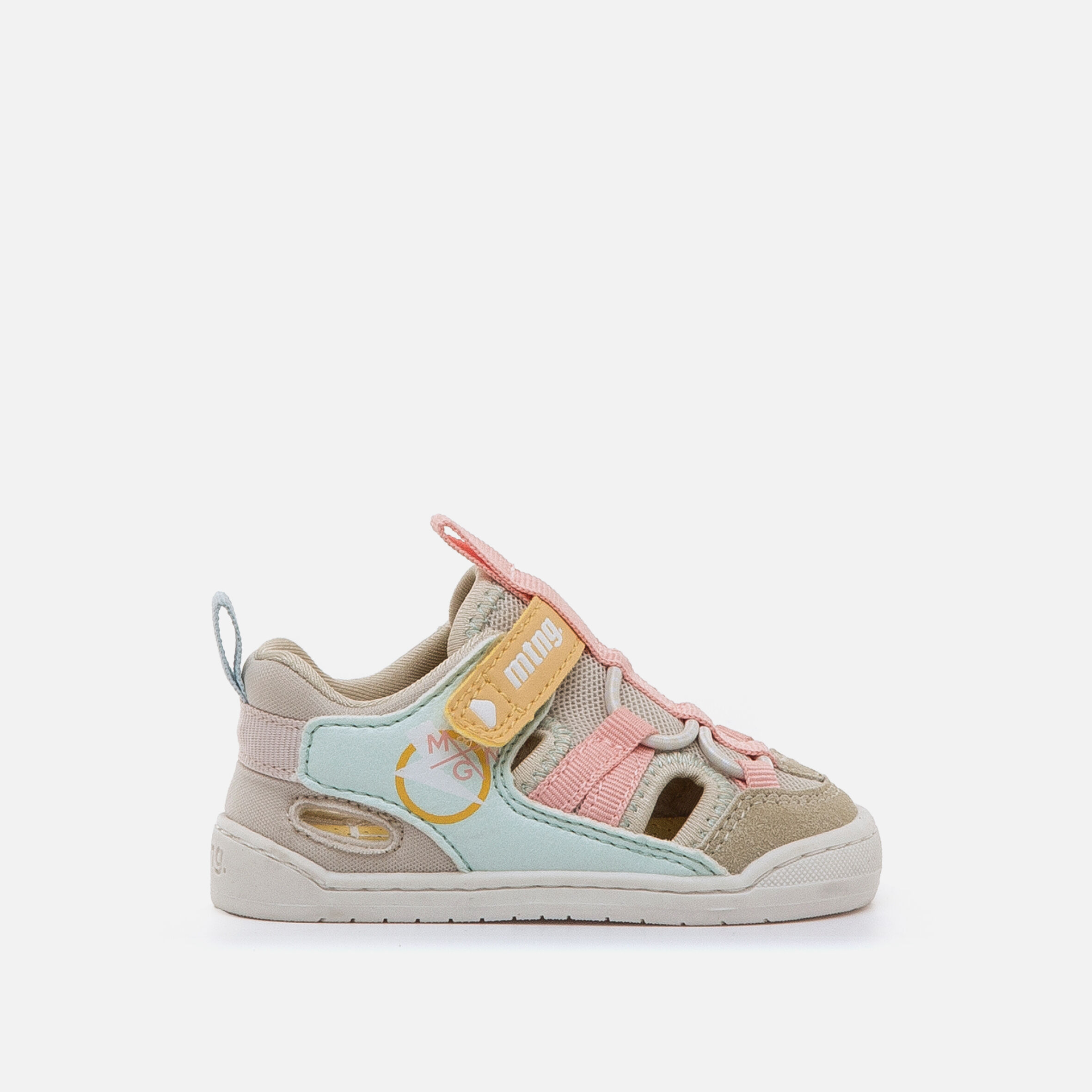







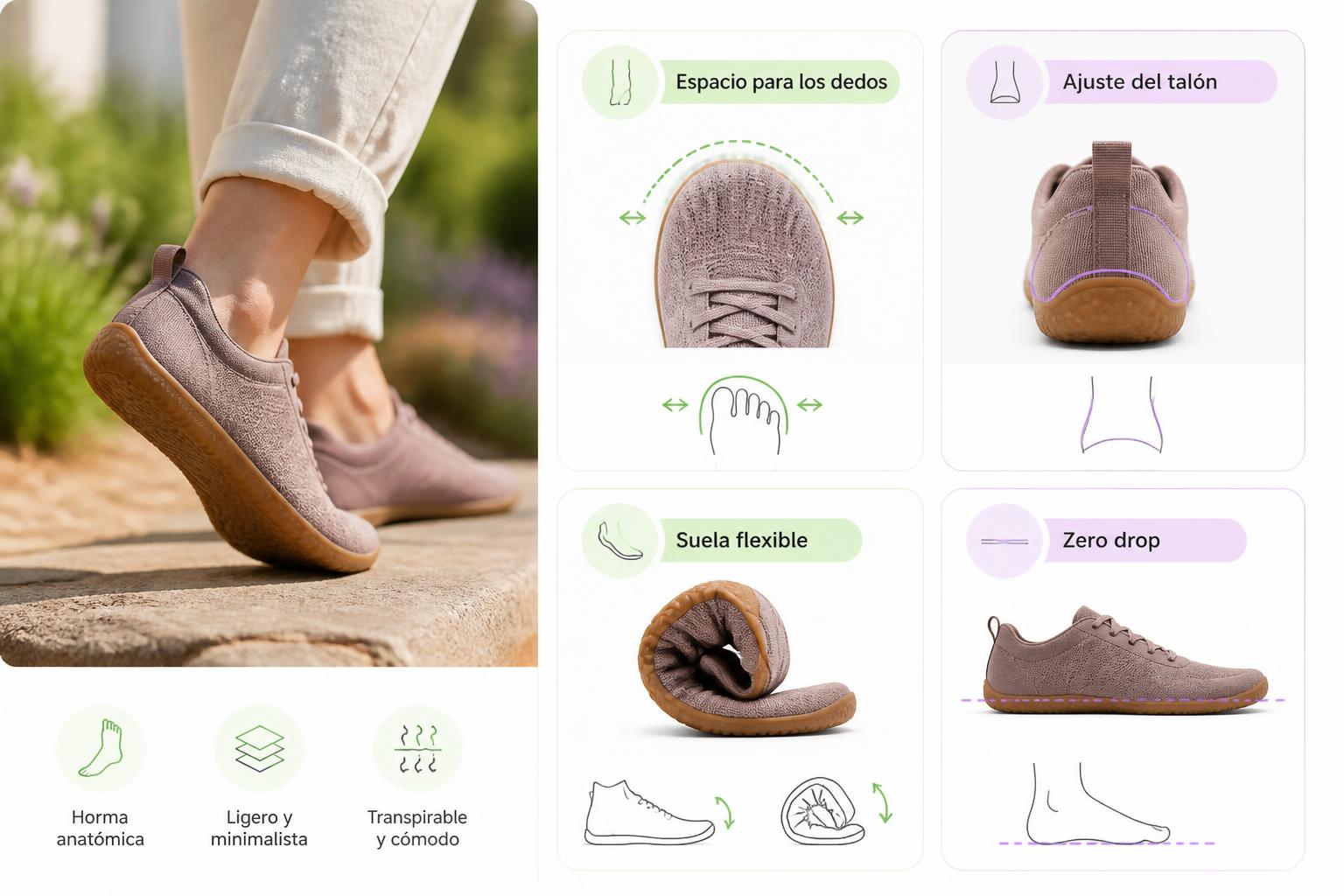
Barefoot footwear, also known as respectful footwear, has grown from a niche movement into a global trend. As more people look for comfort and a more natural feel when walking, barefoot shoes are becoming an alternative to conventional footwear. However, choosing them involves more than following a trend: it is important to consider the shape of your foot, the activity and how gradually you introduce this type of shoe.
¿Qué encontrarás aquí?
What does the new barefoot shoe trend involve?
The barefoot shoe and barefoot sock trend is based on footwear designed to respect the shape and movement of the foot. In simple terms, these shoes aim to give your toes more room and allow your feet to move with fewer restrictions than many conventional designs.

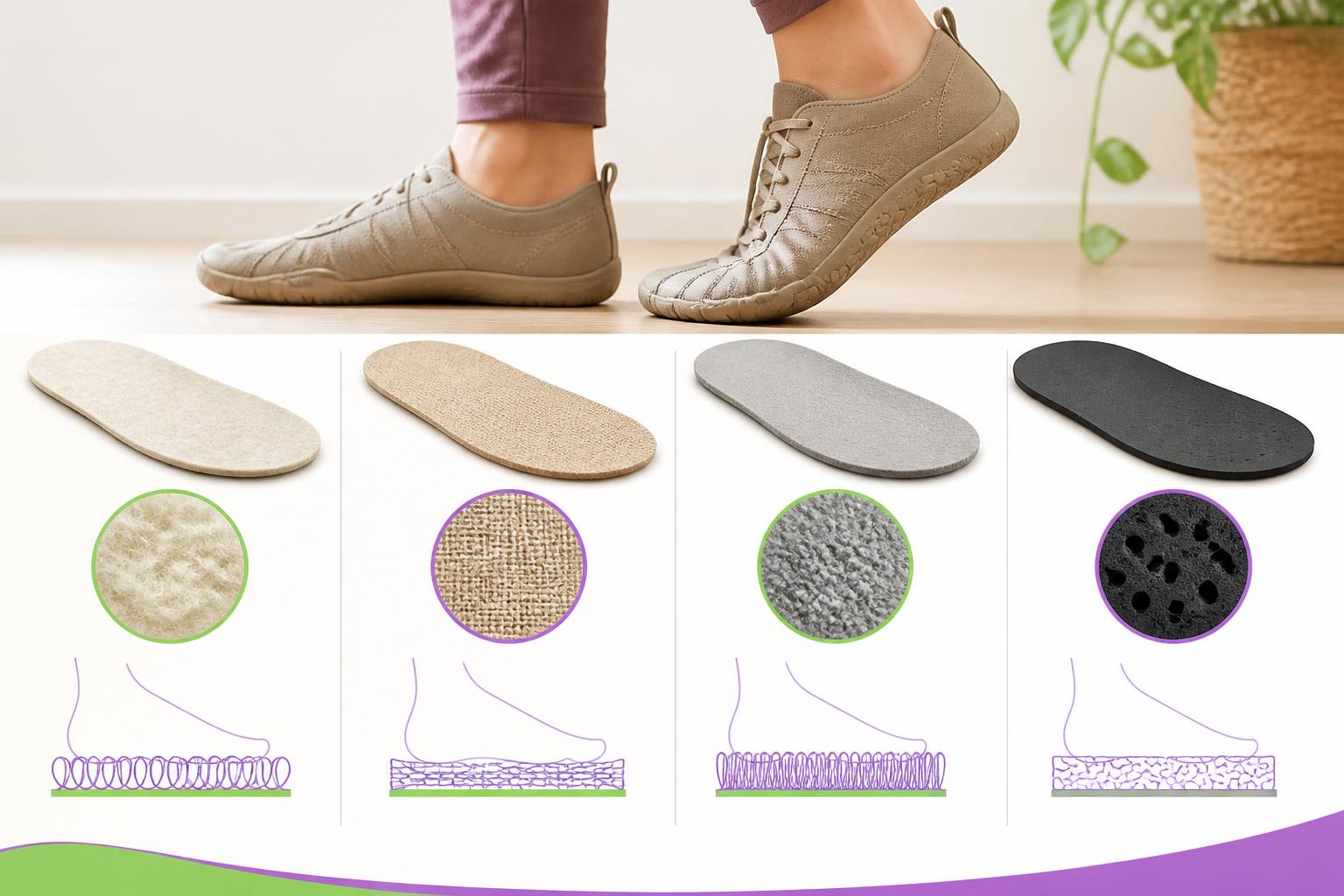
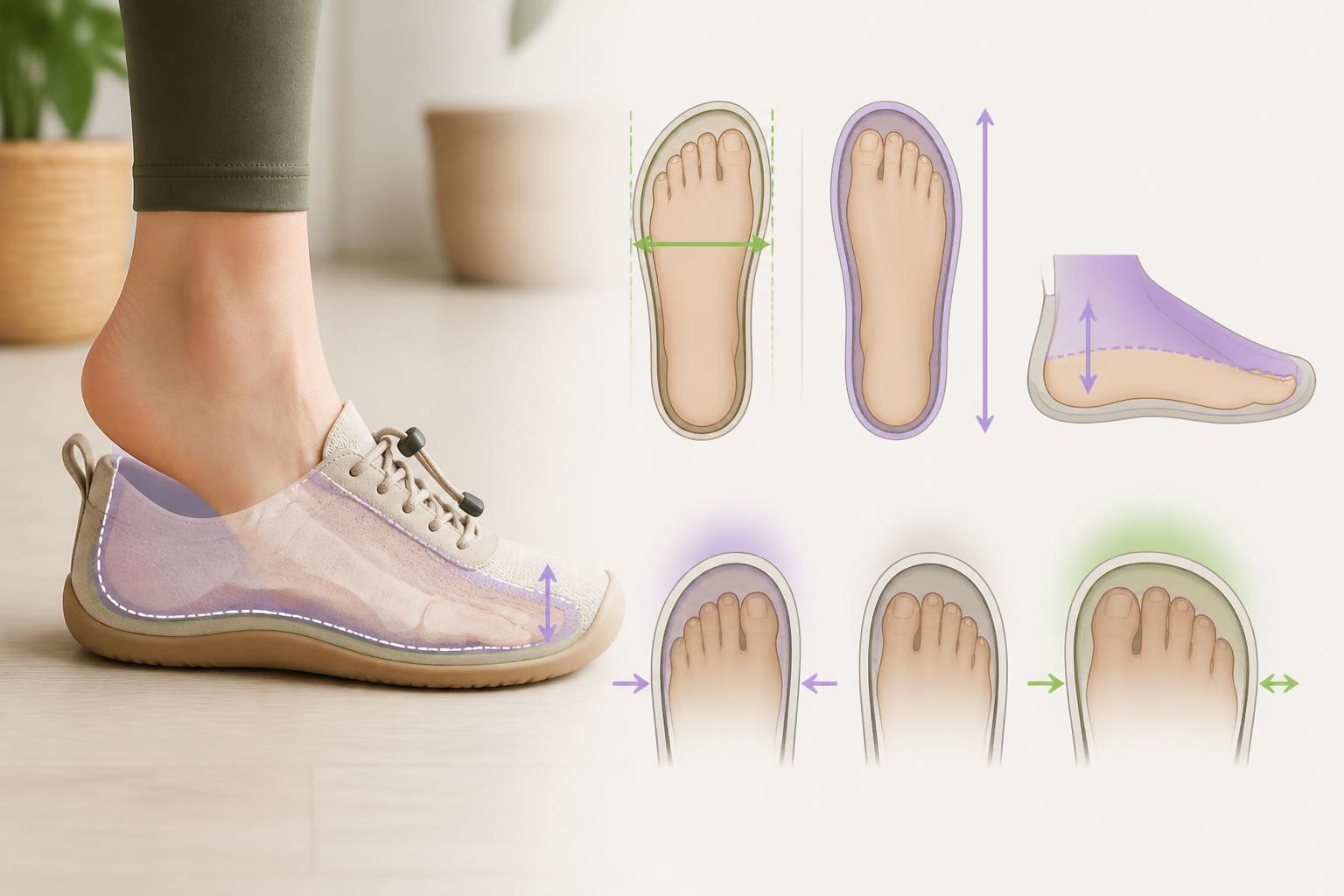
Barefoot shoes usually have a foot-shaped toe box, a flexible sole and little or no difference in height between the heel and the forefoot. They can feel comfortable for many people, although not every foot or situation needs the same type of footwear. If you have persistent pain, an injury or a diagnosed condition, ask a healthcare professional before making a change.
Benefits of wearing barefoot footwear
There are several reasons why people become interested in barefoot shoes and socks. The main idea is to give the feet enough room to move while choosing a flexible design that suits the person and the intended activity. These possible advantages should be understood as general features, not as guaranteed medical effects.
Here are some examples of what people often look for when comparing barefoot footwear:
- More natural movement: A roomy toe box and flexible sole can make it easier for the toes and feet to move without feeling compressed. The result will depend on the fit, the model and the way you use the shoes.
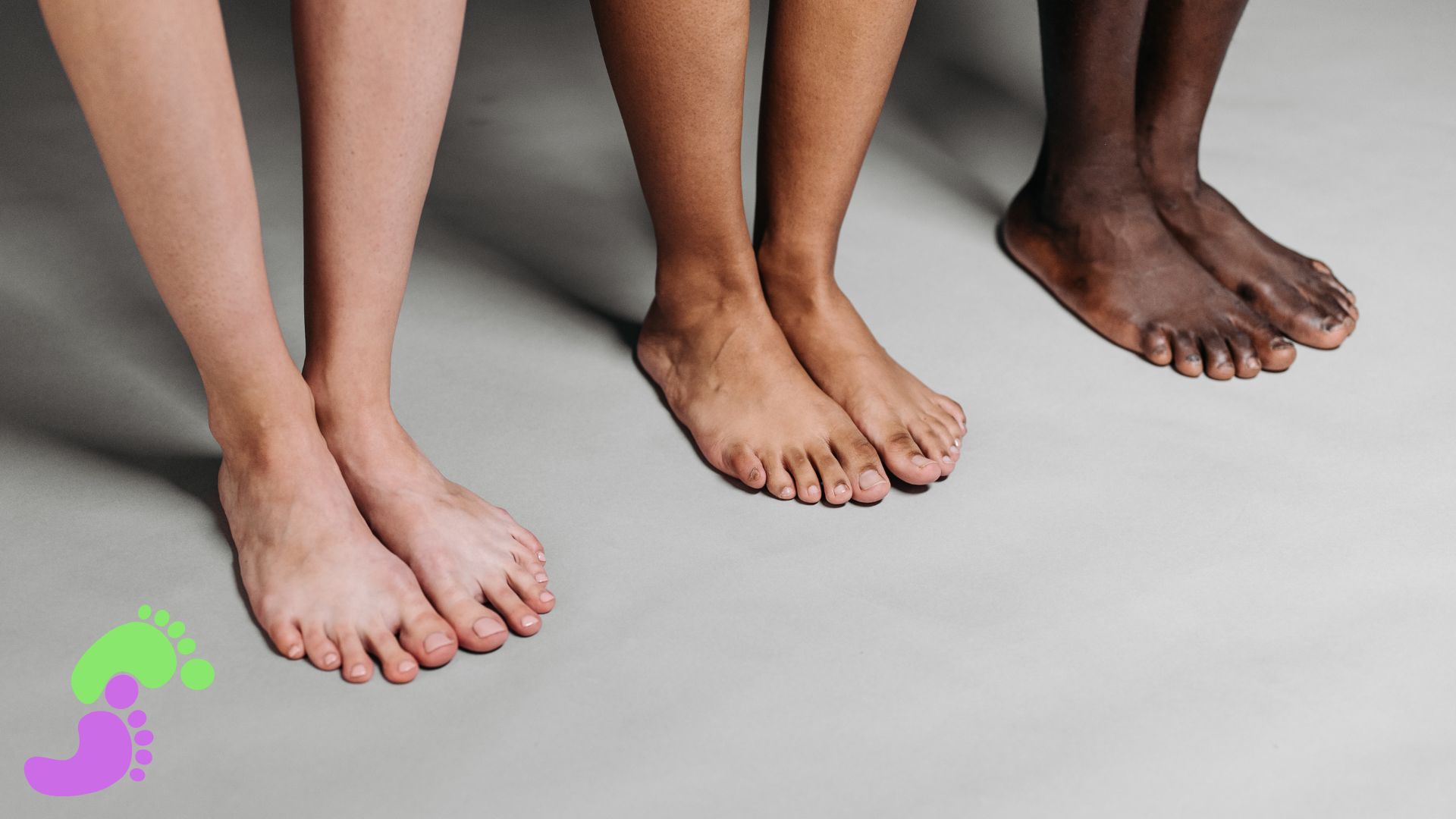
- More room for the toes: Barefoot footwear is designed to avoid squeezing the toes together. This can be a useful feature for people who prefer a wider, more anatomical shape, although it does not correct bunions or other foot conditions.
- A closer feel to the ground: Thin, flexible soles can provide more information about the surface under your feet. Some people appreciate this sensation for everyday walking, balance exercises or gentle activities.
- Progressive strengthening: When you introduce barefoot footwear gradually, your feet and lower legs may have to work differently from when you wear more structured shoes. This is one reason a slow transition is important, particularly if you are not used to this type of footwear.
- Freedom of movement during exercise: The flexible design may be appealing for activities where foot mobility matters. Even so, the shoe should match the sport, the surface and your experience level.
- Comfort for some older adults: Some older people value a wide toe box, a lightweight design and a stable fit. If there are circulation problems, arthritis, balance concerns or other health issues, professional advice can help determine what is appropriate.
- Less feeling of bulk: Many people notice that barefoot shoes feel lighter and less restrictive than conventional footwear. The sensation is personal, and a suitable fit is more important than choosing the thinnest sole available.
How do you start wearing barefoot footwear?
The best way to start wearing barefoot footwear is gradually. Begin by using it for short periods at home, then try brief walks on comfortable surfaces. Increase the duration little by little while paying attention to how your feet and legs feel during and after use.

It is usually unhelpful to replace all your conventional footwear at once. A sudden change can place new demands on your feet, calves and ankles, especially if you have spent years wearing shoes with more cushioning, structure or heel-to-toe drop.
Why should the transition not happen overnight? Barefoot footwear can feel very different because it often has a wider toe box, a flexible sole and less support under the heel. If you change too quickly, the unfamiliar sensation may be uncomfortable and make it harder to adapt.
Give your feet time to get used to the new design over several weeks. Alternate with familiar footwear when needed, and reduce the duration if you notice persistent discomfort. If pain continues or you have a known foot problem, consult a qualified healthcare professional.
Barefoot shoes for sports
Barefoot footwear is also attracting interest among people who run, train at the gym or practise yoga and Pilates. The right choice depends on the activity, the surface, your current footwear and how accustomed you are to minimal footwear.
Sports can place greater demands on the feet and lower legs than everyday walking. For that reason, it is sensible to begin with short, controlled sessions and avoid assuming that a barefoot shoe will suit every sport or training environment.
Barefoot running
Running in barefoot shoes is one of the best-known parts of the movement. Some runners like the lighter, more direct feel and the opportunity to pay closer attention to how their feet contact the ground. However, this does not mean that everyone should change their running footwear immediately.
If you want to try barefoot running, start on a smooth, comfortable surface and keep the first sessions short. Increase distance and intensity slowly, allowing your feet, calves and ankles time to adapt. Stop if you experience pain, and consider professional guidance if you have an injury or a diagnosed condition.
Barefoot fitness
Barefoot fitness refers to training without shoes or using barefoot footwear during exercise. Some people enjoy the feeling of stability and direct contact with the floor during controlled movements. This may be particularly relevant for exercises where foot position and balance are important.
In practice, barefoot fitness can mean going to the gym in barefoot shoes and following a familiar routine. The footwear should still match the equipment, floor and exercise. Be especially cautious around weights, bars and moving machinery, and follow the gym’s safety rules.
Barefoot yoga
Yoga and Pilates are commonly practised barefoot, which allows the soles of the feet to contact the mat directly. When shoes are required or preferred, a flexible barefoot-style option can provide a similar sense of freedom without a rigid structure.
Look for a secure fit and enough grip for the movements you practise. Barefoot footwear cannot replace good technique or automatically correct your posture, so focus on controlled positions and adapt the activity if something feels uncomfortable.
Frequently asked questions
Barefoot footwear is not a universal solution, and the most suitable option depends on the person, the activity and the condition of the feet. Features such as toe-box width, flexibility, sole thickness, grip and heel-to-toe drop can all affect how the shoes feel.
Before choosing a pair, consider how often you will wear it and whether you need a gradual transition. If you have pain, an injury, reduced sensation or a diagnosed foot condition, consult a healthcare professional for individual advice.
Who is barefoot footwear suitable for?
Barefoot footwear may interest people of different ages who want a roomy toe box, flexible sole and a closer-to-the-ground feel. It can be considered for everyday walking, work or certain sports, provided the model matches the activity and the person is given time to adapt.
It is not automatically suitable for everyone, and age alone does not determine whether it is a good choice. People with persistent pain, balance difficulties, injuries or diagnosed conditions should seek professional advice before changing footwear.
What type of socks should I wear with barefoot footwear?
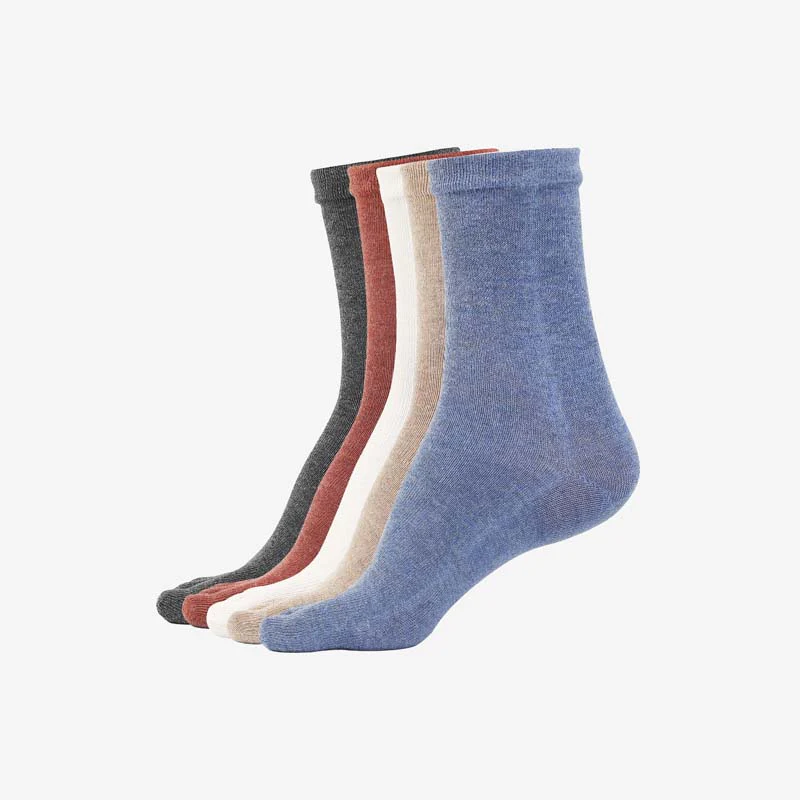
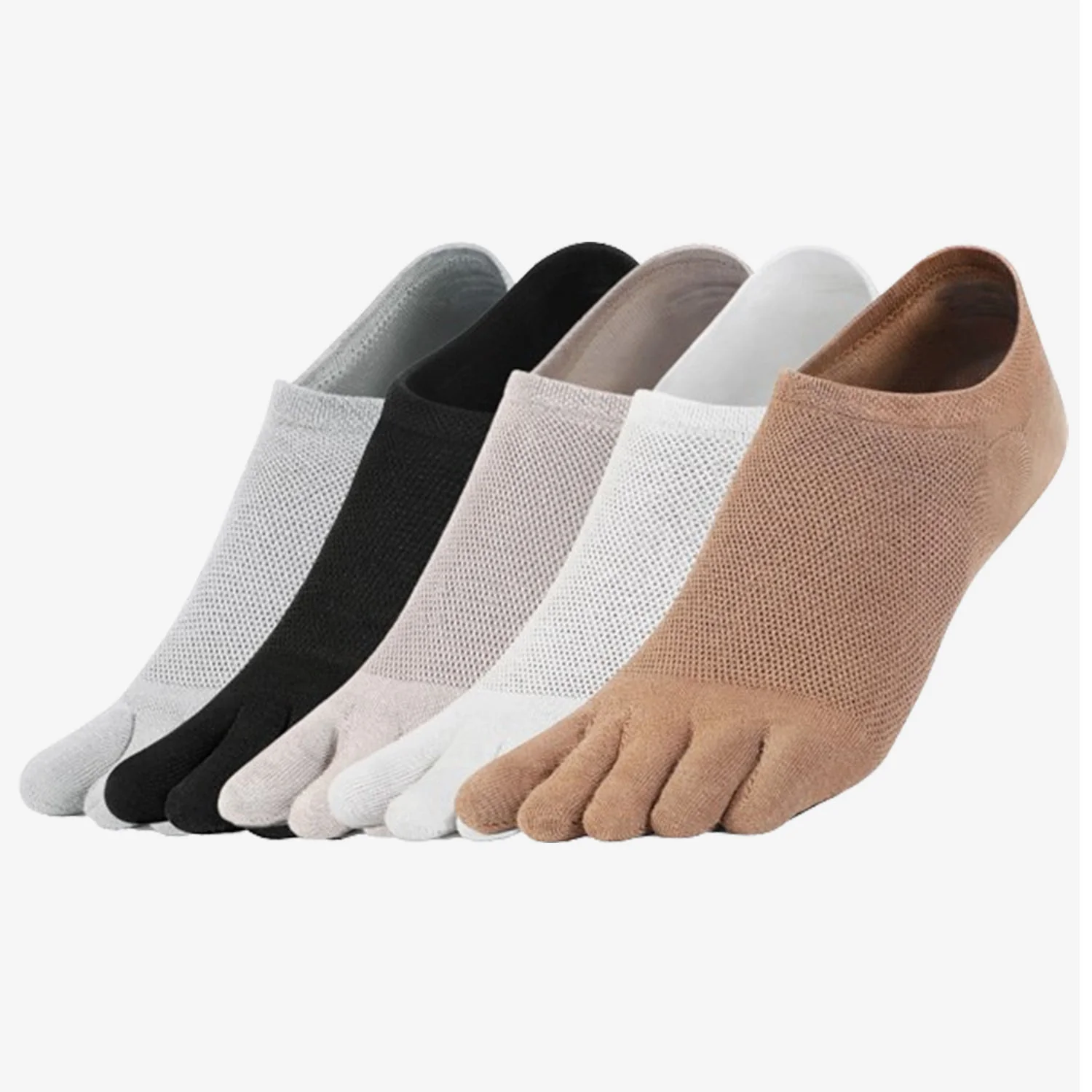
Some people choose five-toe socks because they keep the toes separated and complement the roomy shape of barefoot shoes. They can be useful if you like a more defined fit around each toe or want to reduce friction between the toes.
However, barefoot shoes can also be worn with regular socks. The important points are that the socks are comfortable, do not compress the toes and fit inside the shoe without creating pressure or wrinkles.
Can I do sports in barefoot shoes?
Yes, barefoot shoes can be suitable for some sports and training sessions. Their flexible construction may feel useful for activities that involve balance or controlled foot contact, such as Pilates, yoga or selected gym exercises.
Use extra care with weights, bars, contact sports and activities where objects could land on your feet. A barefoot shoe generally provides less protection than a robust sports shoe, so consider the risks of the specific activity before choosing it.
Why choose barefoot footwear instead of conventional shoes?
People choose barefoot footwear for different reasons, including wanting more room for their toes, a flexible sole, a lower profile or a more direct feel when walking. These features may help some people feel less restricted or less weighed down by their footwear.
The decision should be based on fit, use and personal comfort rather than on the idea that one type of shoe is always better. Compare the design carefully, introduce it progressively and seek professional advice if you have ongoing discomfort or a foot condition.