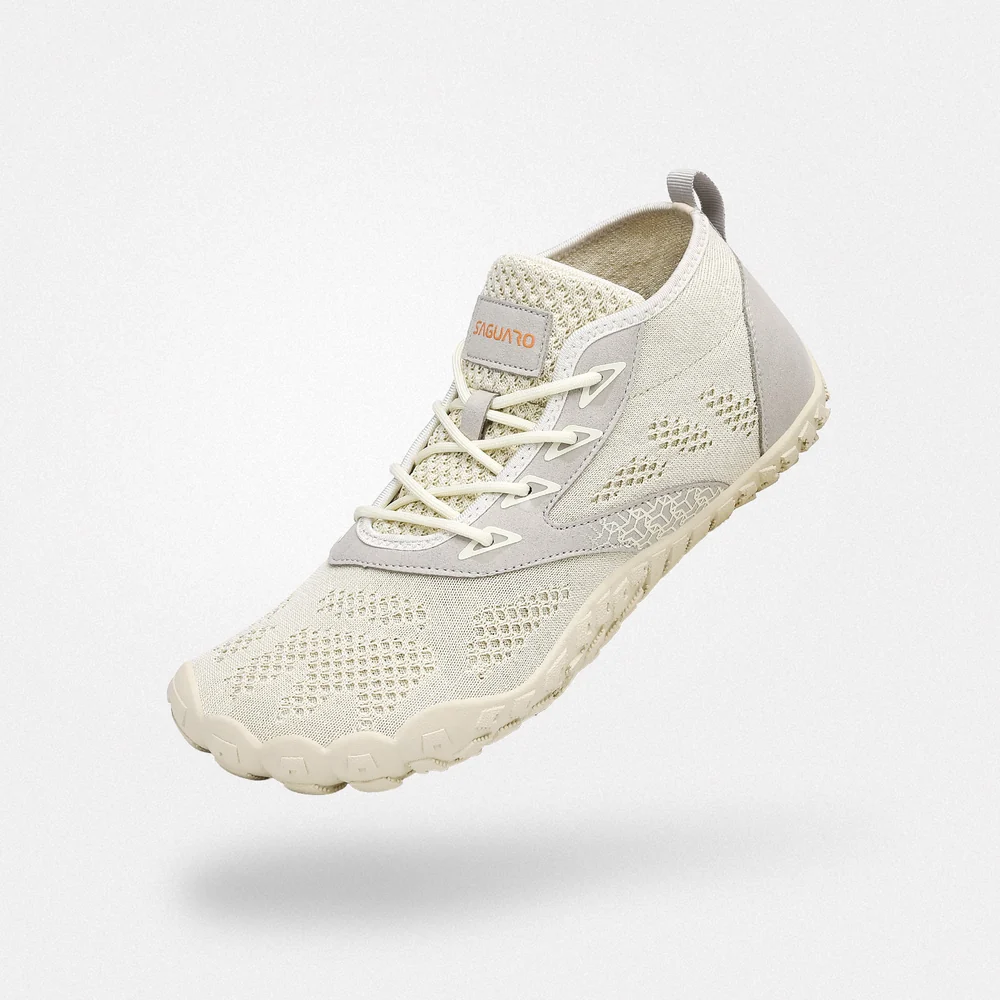
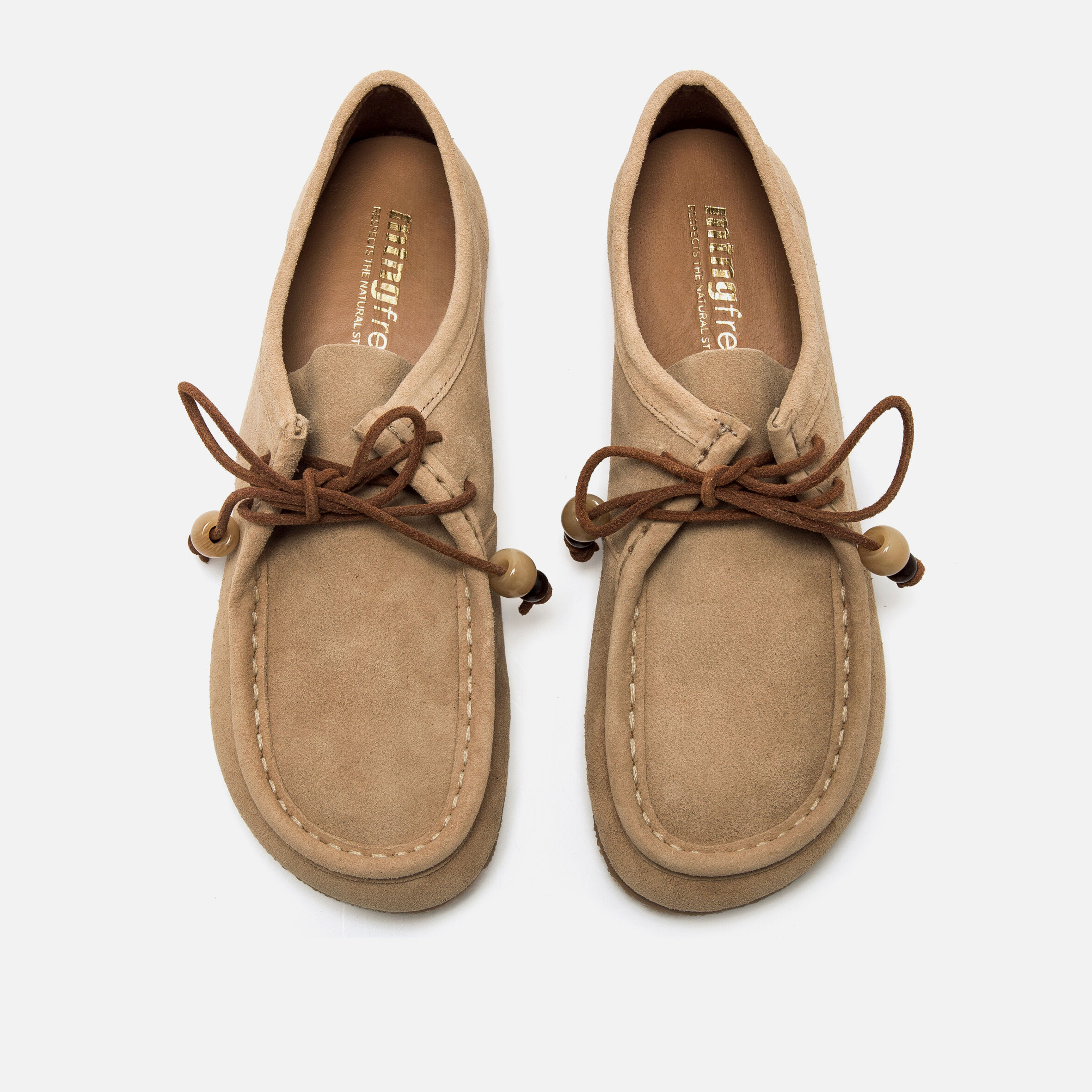
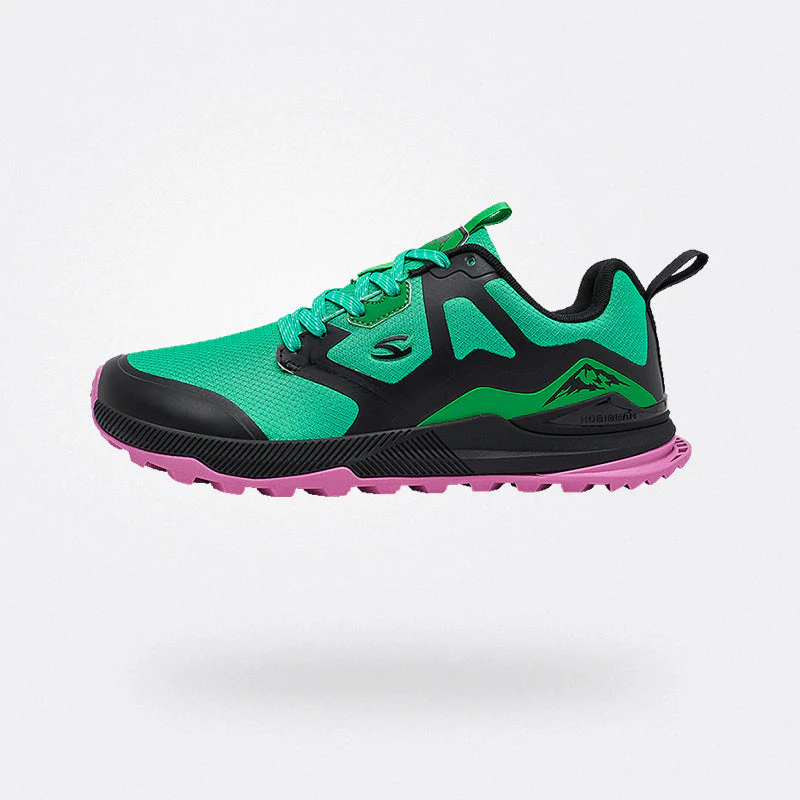
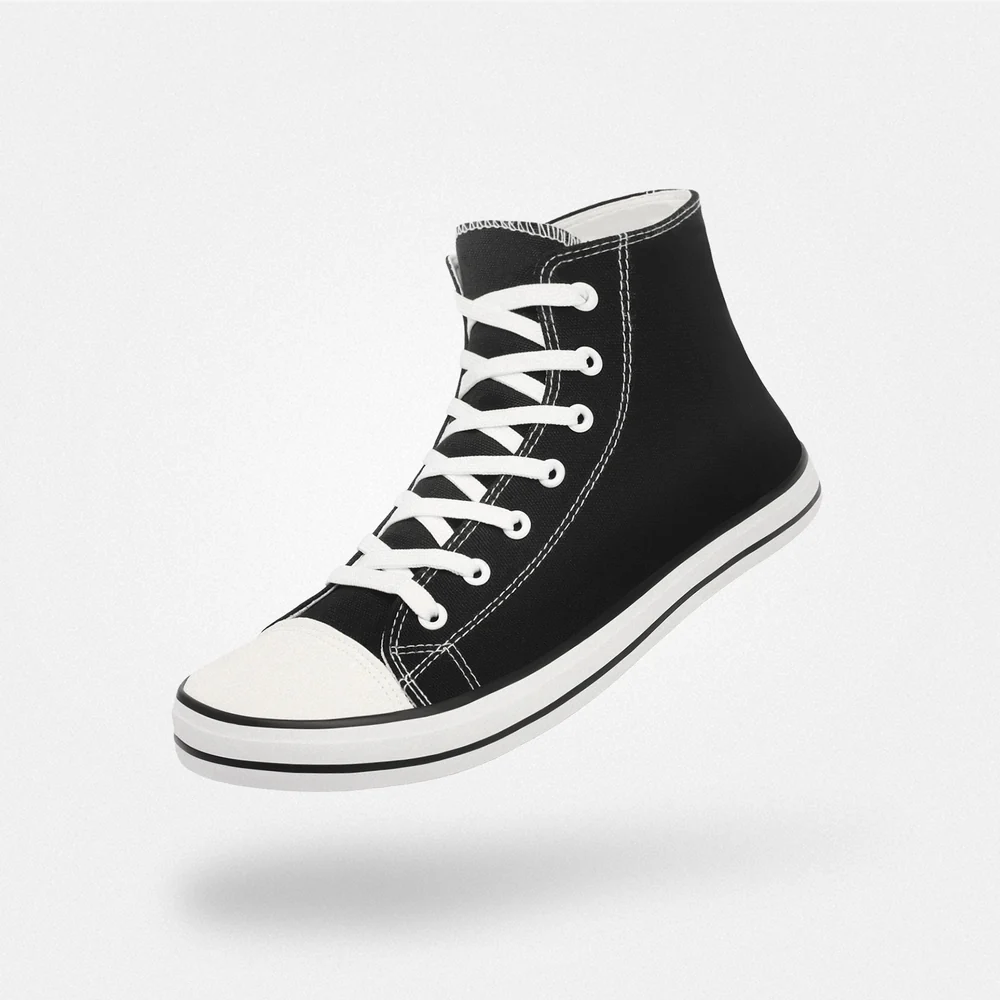








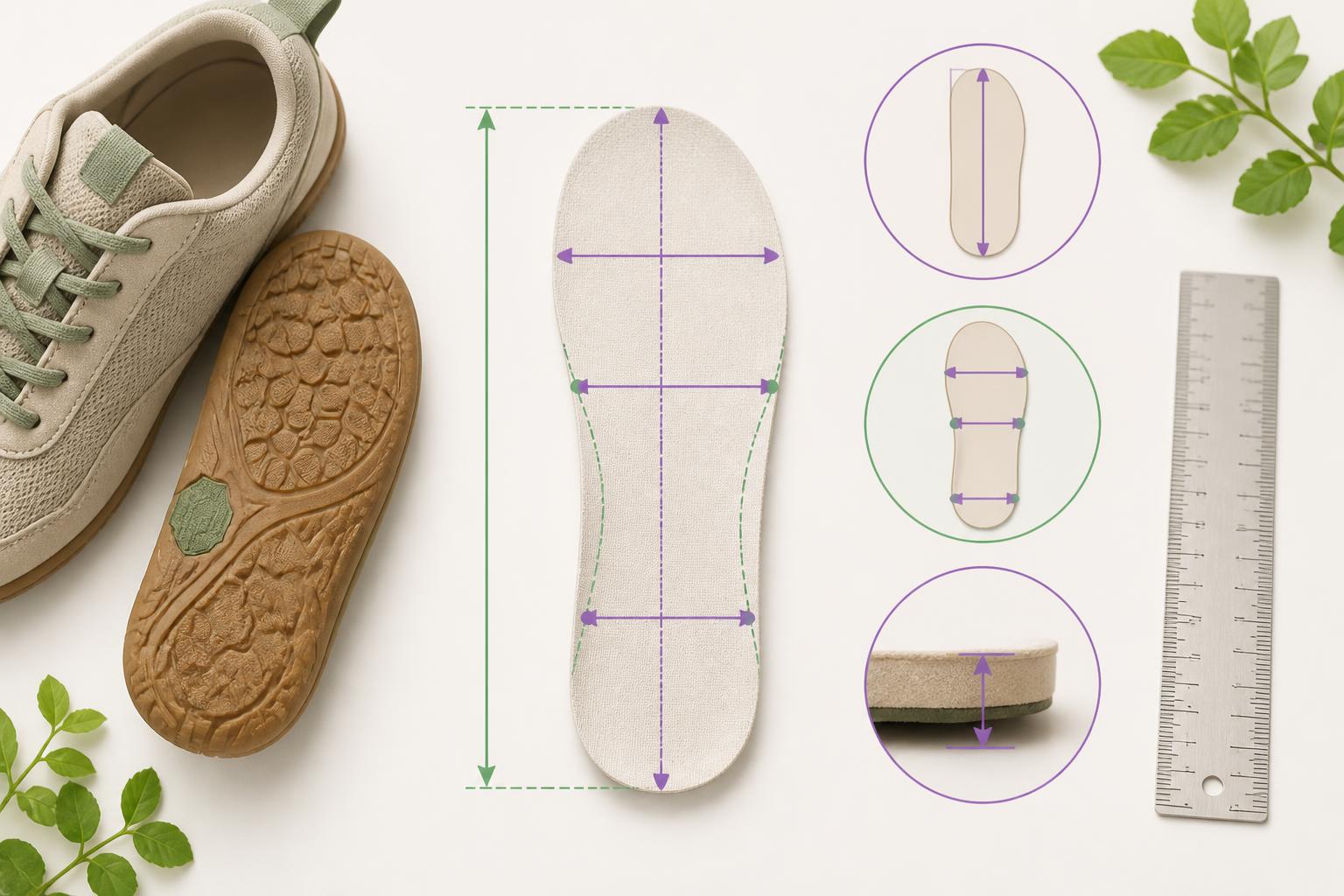
Choosing barefoot shoes for work is not simply a matter of looking for a thin sole and finishing the purchase. A working day may involve many hours on your feet, constant movement, changes in surface or specific safety requirements.
In this guide, you will find a practical checklist for assessing fit, flexibility, grip and ventilation according to your job. The aim is not to claim that barefoot shoes are suitable for every person or every type of work, but to help you check whether an option genuinely suits you.
¿Qué encontrarás aquí?
What do you really need from work shoes?
Before focusing on the barefoot label, describe what your working day is actually like. Someone who remains seated and walks for a few minutes around an office does not need the same features as someone who serves customers, climbs stairs or works on a floor that may become wet.
Write down how many hours you wear shoes, how long you spend standing and how often you move around. It is also useful to identify the type of surface: office flooring, outdoor paving, a warehouse, workshop or hospitality area. These details will be your first filter.
- Sedentary work: most of the day is spent sitting, with short walks.
- Standing work: you remain in the same area but frequently shift your weight.
- Active work: you walk, turn, climb steps or carry objects.
- Work with specific risks: it may require protective footwear, a particular sole or other workplace requirements.
Comfortable shoes for standing work should match the task, not just a trend. If you have persistent pain, an injury or a diagnosed condition, consult a healthcare professional before changing your footwear.
Fit criteria for a long working day
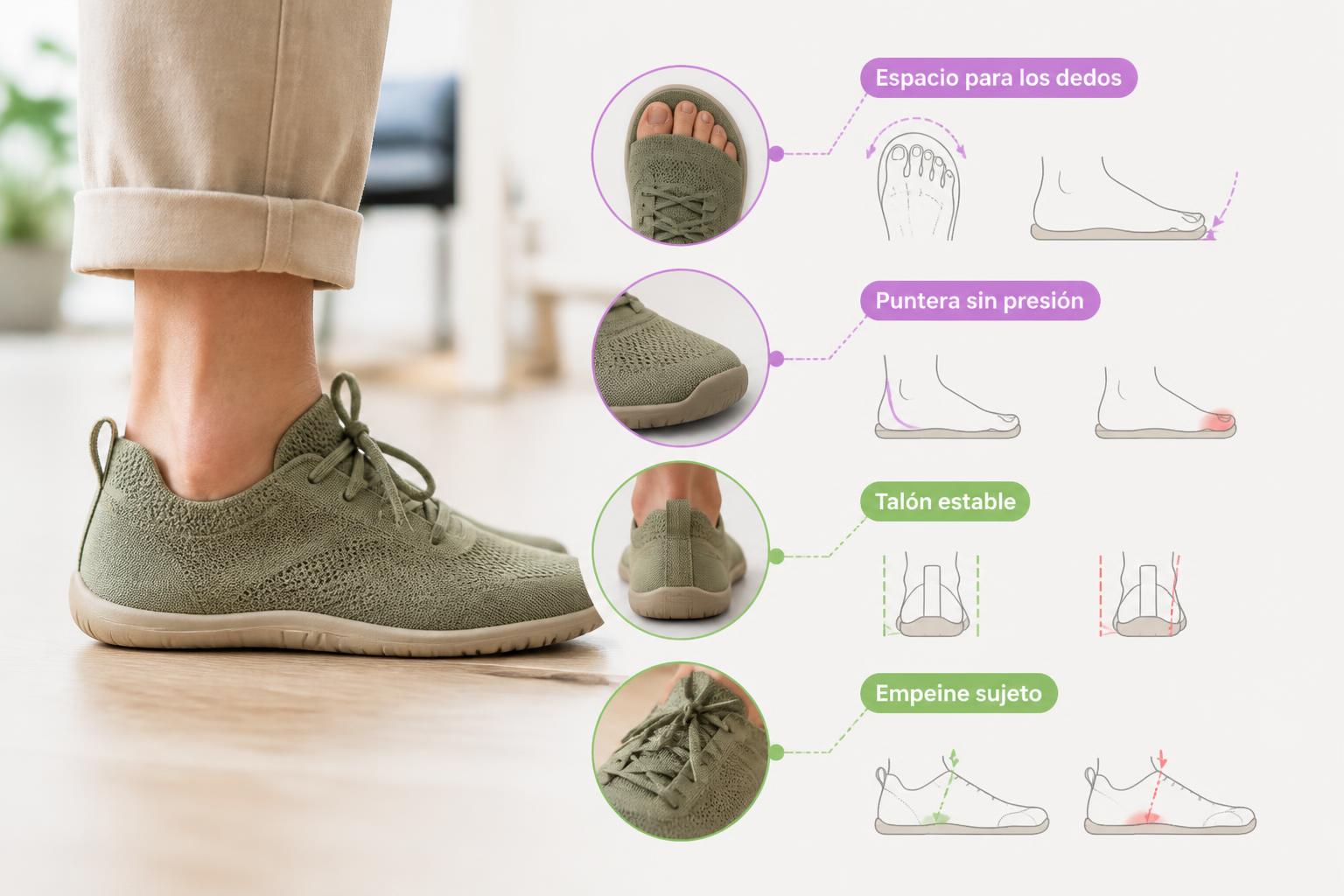
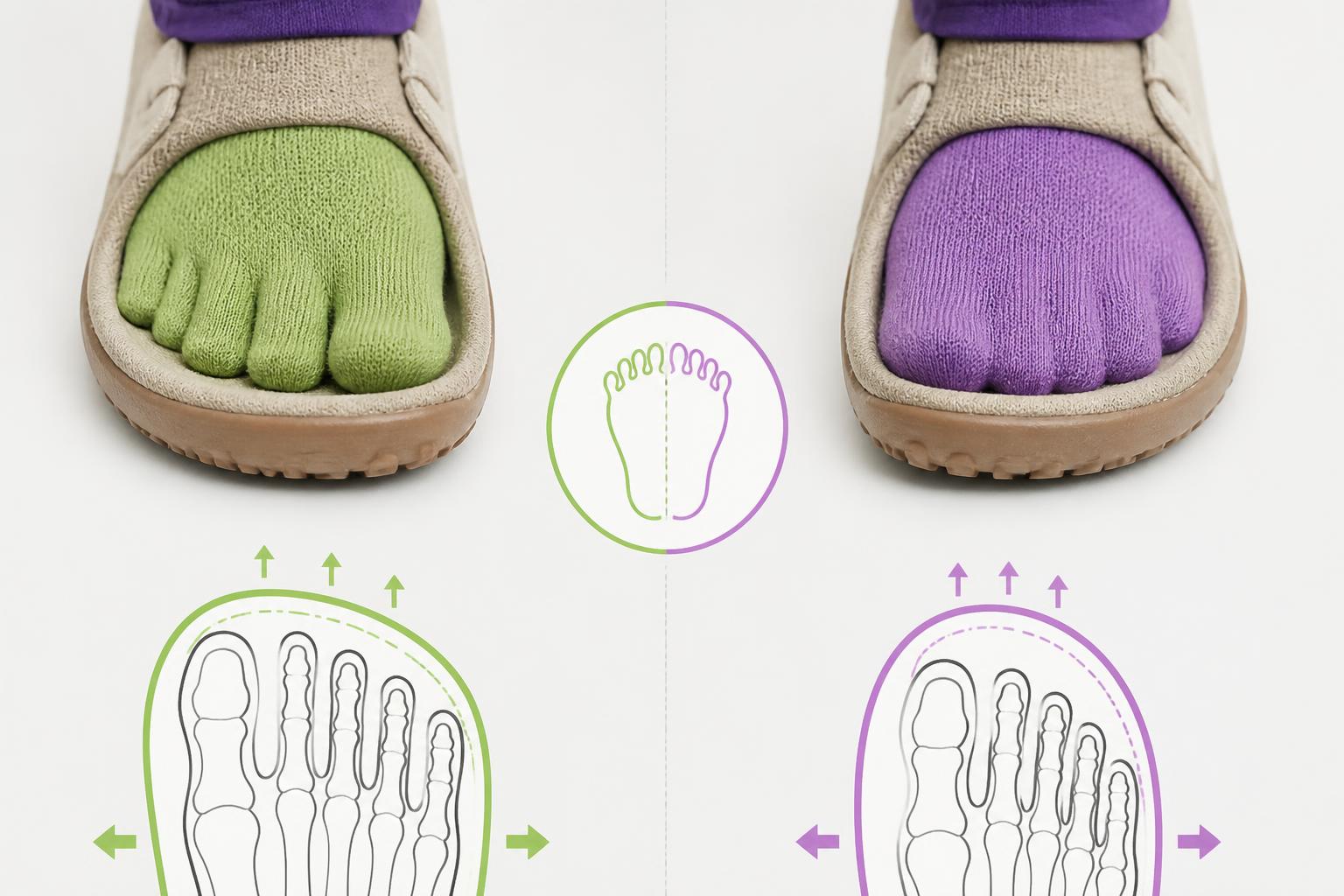
A shoe may appear to have a roomy shape and still fit poorly. For a long working day, check the space in front of the toes, the width around the toe area, the volume over the instep and the support around the heel.
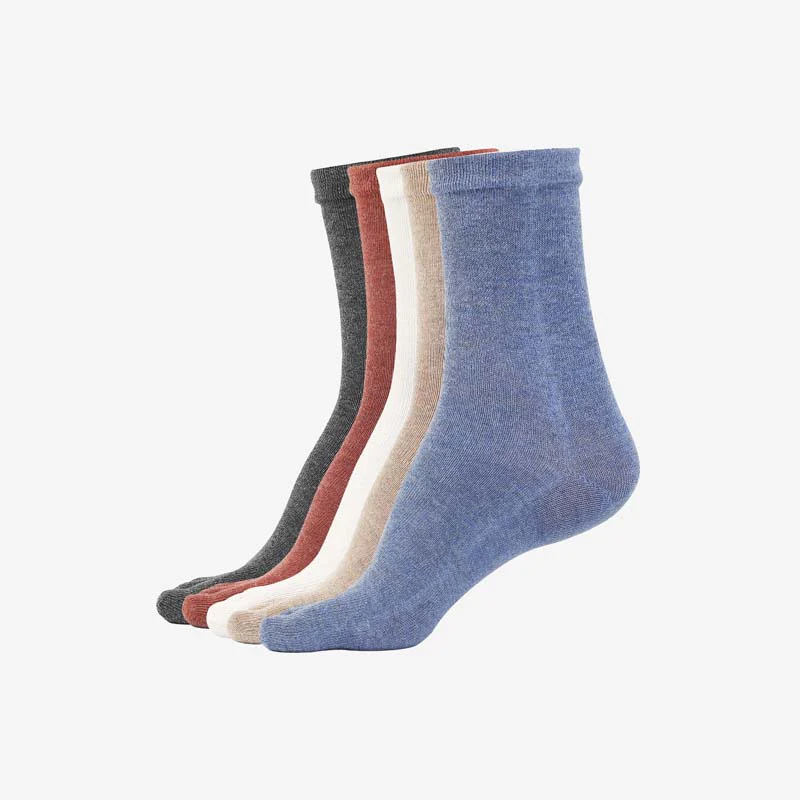
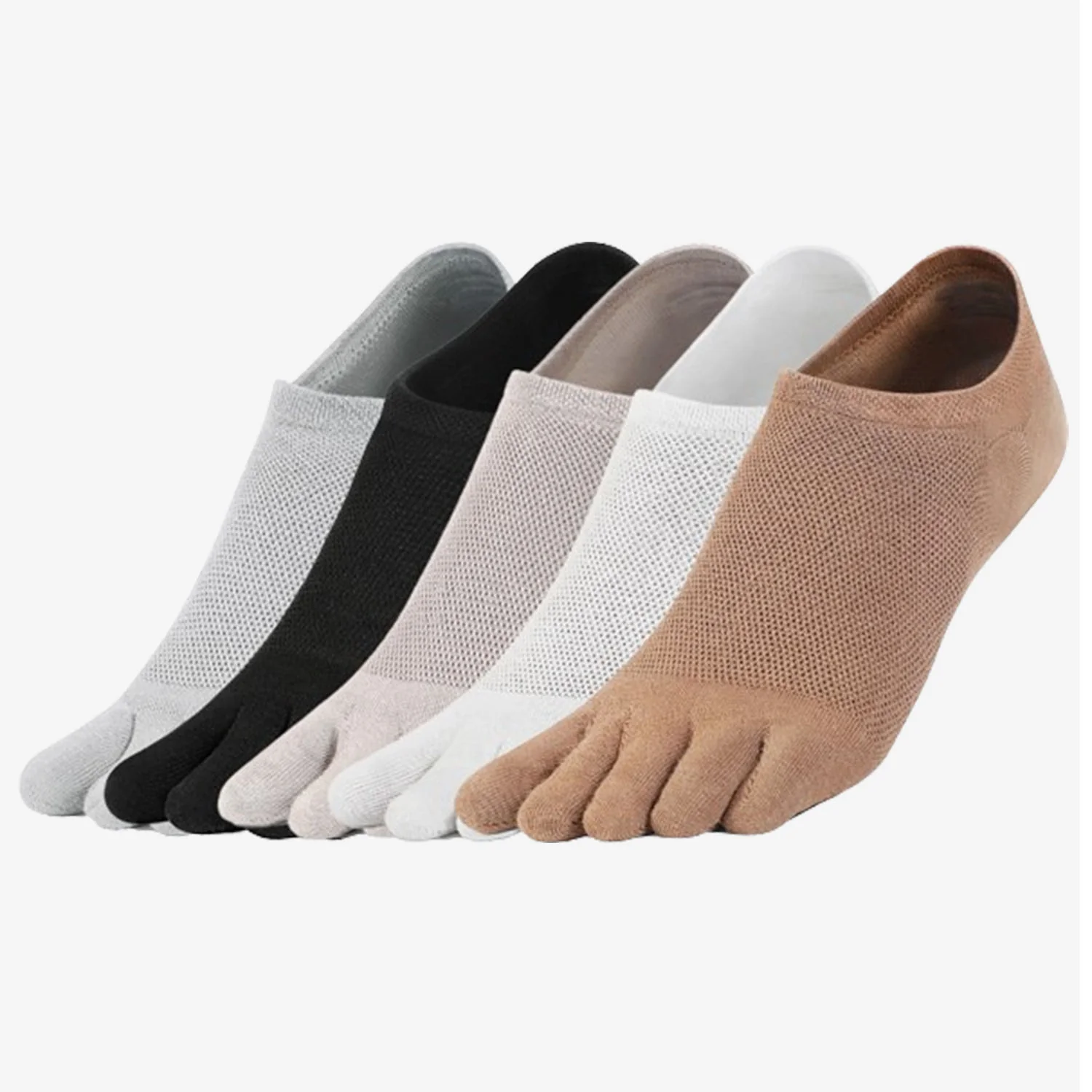
Room for natural toe movement matters during extended use. Try the shoes with the socks you normally wear and at the end of the day, when your feet may feel different from how they do in the morning. Your toes should be able to move without hitting the toe box, and your foot should not slide around inside the shoe.
How should a barefoot shoe fit when you are going to wear it for many hours?
Check that there is enough space in front of your toes and that the toe box does not press against the sides. When walking, the heel should not lift excessively, and the shoe should not cause rubbing from the first few steps.
You can follow a five-step test to check how a barefoot shoe should fit. If you notice lateral pressure, curled toes, numbness or chafing, do not assume that prolonged use will solve the problem. Early pressure or rubbing is a reason to reassess the fit, not something you need to tolerate throughout a shift.
What role do support and internal volume play?
A wide toe box gives your toes more freedom, but it does not replace appropriate support. The instep should be held securely without excessive pressure, and the heel should remain stable when you walk, turn or climb stairs.
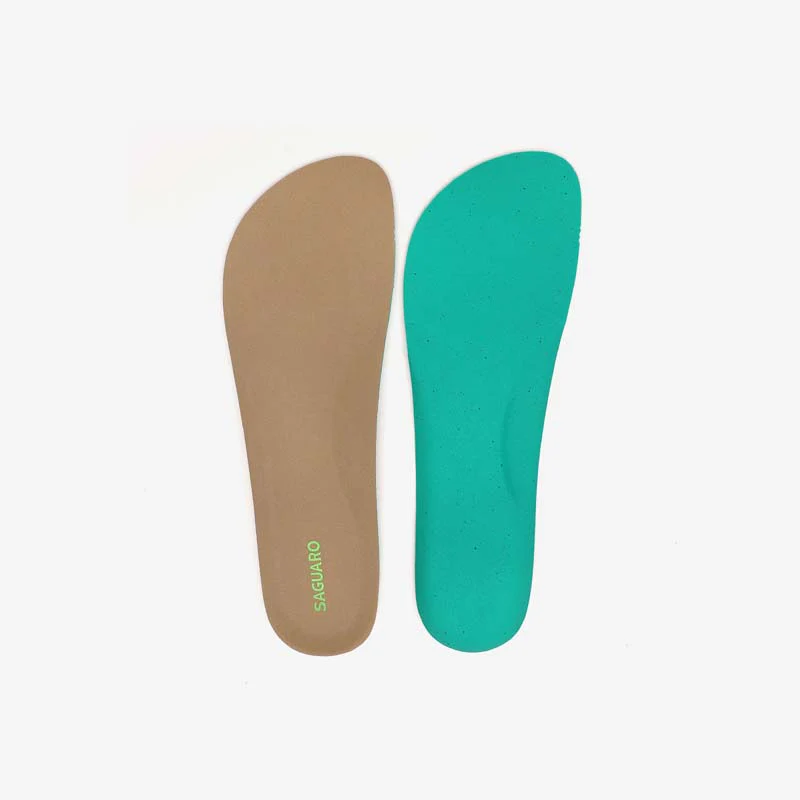
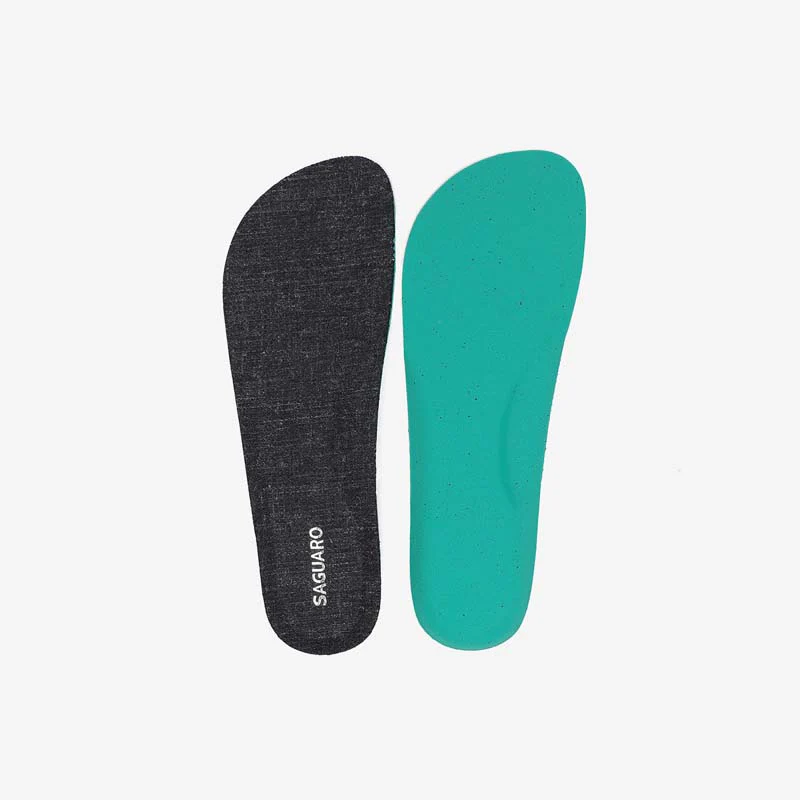
A thicker insole or different socks can reduce the available internal space. For this reason, if you use insoles, check that they do not raise your heel too much or make your foot feel compressed after several hours.
Flexibility, zero drop and a sense of stability
The usual features of barefoot footwear can change how you perceive each step, but none of them alone determines whether a model is suitable for your job. The floor, your previous experience and the type of movement involved also matter.
Flexibility should support the movements your job requires, rather than being treated as an automatic advantage. On a hard, uneven or potentially slippery surface, a highly flexible sole may feel different from more structured footwear. Always assess whether you can walk and turn safely, without confusing freedom of movement with a lack of control.
What does it mean for a shoe to have zero drop?
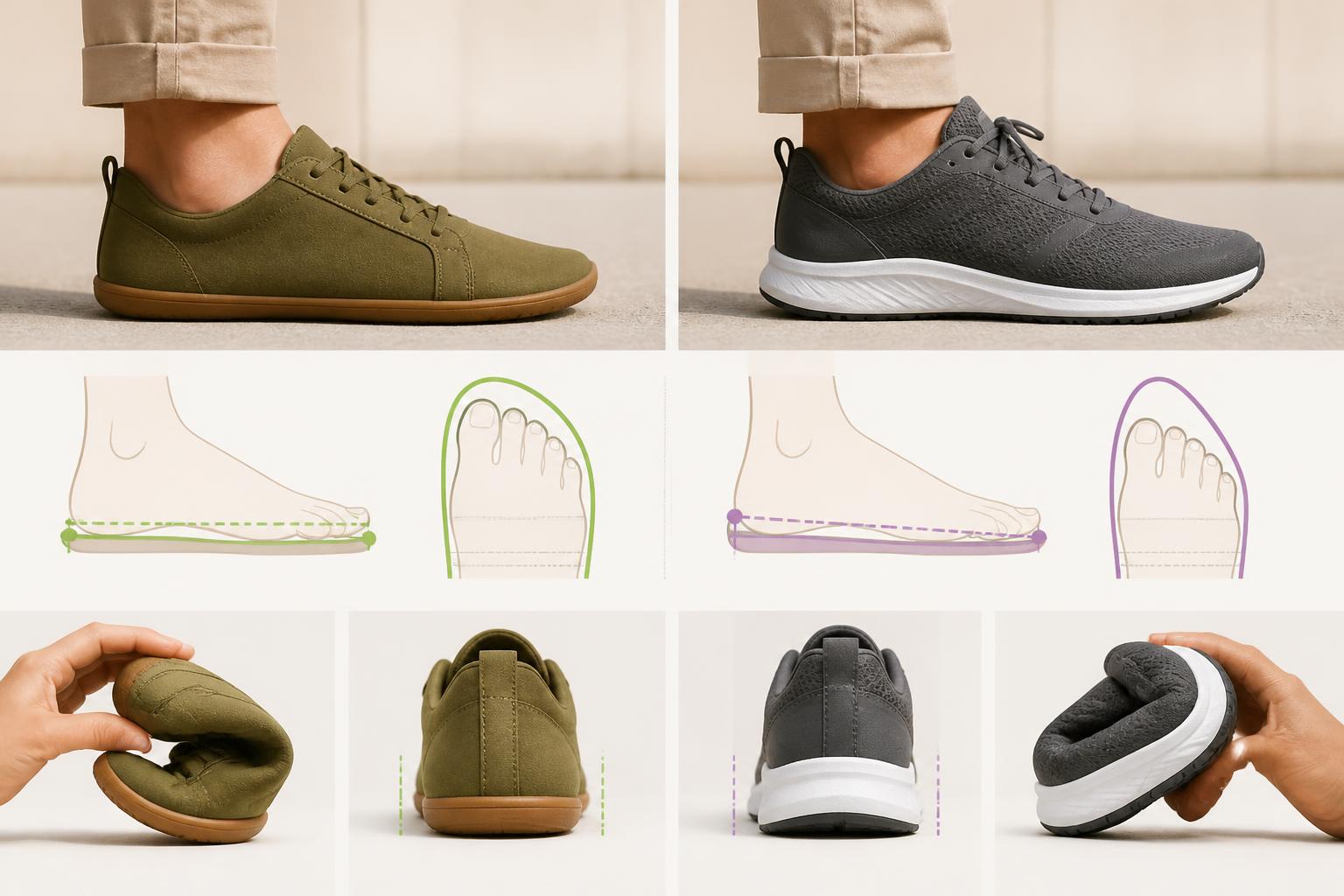
A zero-drop shoe has no difference in height between the heel and the front of the foot. It is a specific feature of the shoe’s geometry, not a guarantee of comfort or a universal recommendation.
If you are used to shoes with a heel-to-toe drop, the change may feel different, especially during a long working day. Before wearing them at work, test how you walk in them for short periods and observe whether you maintain a stable feeling.
How much flexibility is useful for work?
There is no single flexibility level that works for every job. For walking and moving around, you may find it useful for the shoe to follow the foot’s movement, provided that it gives you enough grip and stability.
Gently bend the shoe and see how it responds, but do not rely on this test alone. Walk, turn and try the movements you usually make at work. An option may feel comfortable at home but perform differently on your actual working surface.
Choose according to your working day and surface
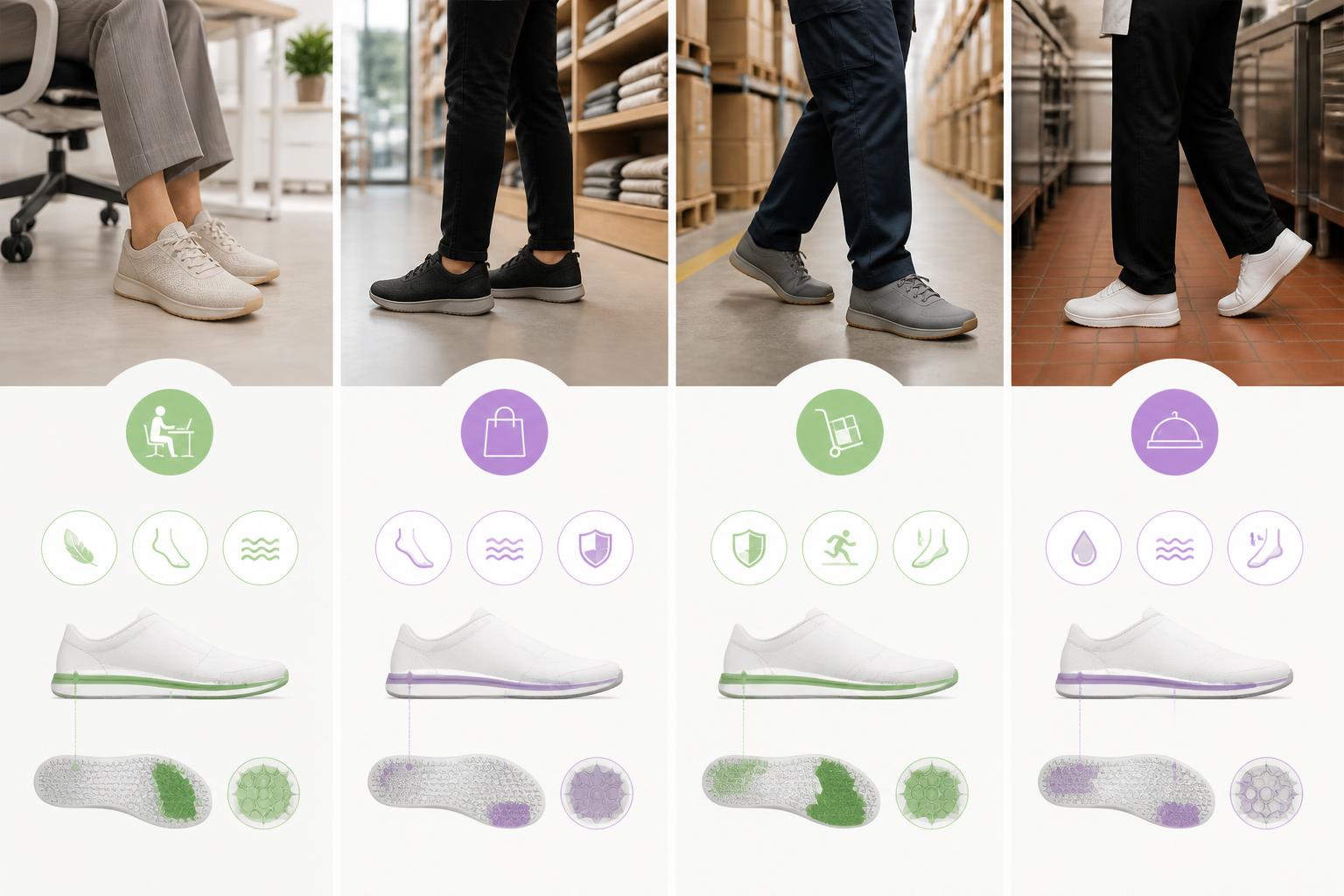
The same model may behave differently in an office, shop or kitchen. The length of the shift, ventilation and ease of cleaning should be assessed alongside fit and freedom of movement.
Your actual work surface is part of the shoe test. Also consider what happens during breaks and when travelling outside your main work area. If you go outdoors, cover long distances or use stairs, the footwear must handle those tasks rather than only the time you spend standing still.
Barefoot shoes for office and sedentary work
In an office, fit, comfort during long periods and ease of walking around the workplace often matter most. If there is a dress code, you can also look for a shape that works with your clothes without sacrificing room for your toes.
Check that the shoe does not rub when you stand up and sit down, and that you can walk through corridors or climb stairs safely. If your day includes outdoor travel, assess the grip and protection you will need outside the building.
Barefoot shoes for retail and standing jobs
In a shop, reception area or counter-based role, you may spend many hours standing, shifting your weight and repeatedly walking short distances. In this situation, prioritise stable support, a toe box that does not compress your toes and comfort that remains consistent over time.
Do not wear new shoes directly for a full shift. Use them at home first or for short periods, and check whether rubbing, pressure or discomfort appears. Your sense of stability on the specific floor of the workplace should also be part of the test.
Barefoot shoes for warehouses, hospitality and active work
Warehouse and hospitality jobs often combine walking, turning, changes of pace and surfaces that may become dirty or damp. As a result, grip, cleaning and protection from the working environment can be just as important as flexibility.
Conventional barefoot footwear may not meet the requirements of a warehouse, kitchen or role involving a risk of impacts and spills. Before buying, review your employer’s instructions and the mandatory characteristics of the position.
Safety footwear and workplace requirements
A barefoot shoe can be comfortable and still not qualify as protective footwear. Zero drop, a wide toe box or a flexible sole do not demonstrate approval or regulatory compliance.
If your job requires safety footwear, do not replace it with a non-approved model. Check the risk assessment, your employer’s instructions and the product’s official documentation. If you cannot verify that it meets the requirements, treat it as unsuitable for that position.
Distinguish between comfort needs and workplace obligations. If you are unsure, ask the person responsible for workplace safety or speak to your employer before buying. The barefoot aesthetic should never take priority over the safety required by the task.
How to start wearing barefoot shoes without using them for your longest shift
If you do not currently wear barefoot shoes, start outside your most demanding working days. Try them for short periods during simple activities and observe how you respond when walking, standing and changing direction.
You can then alternate them with your usual footwear, increasing the time only if the sensation remains tolerable. Do not make your longest shift the first adaptation test. There is no universal adaptation period: every person, workplace and model creates different demands.
If you experience persistent pain, discomfort that gets worse, an injury or symptoms related to a diagnosed condition, stop the trial and seek professional assessment. Adaptation should not become a way of ignoring signals from your body.
Checklist before buying barefoot shoes for work
Before making your decision, gather information about your job and compare it with the footwear. You can copy this list and write down your answers:
- Type of working day: sitting, standing, walking or frequent movement.
- Approximate hours of use and length of your longest shift.
- Usual surface and the possibility of encountering wet or uneven flooring.
- Toe space, length, width and absence of rubbing.
- Heel and instep support with your usual socks.
- Flexibility and sense of stability when walking and turning.
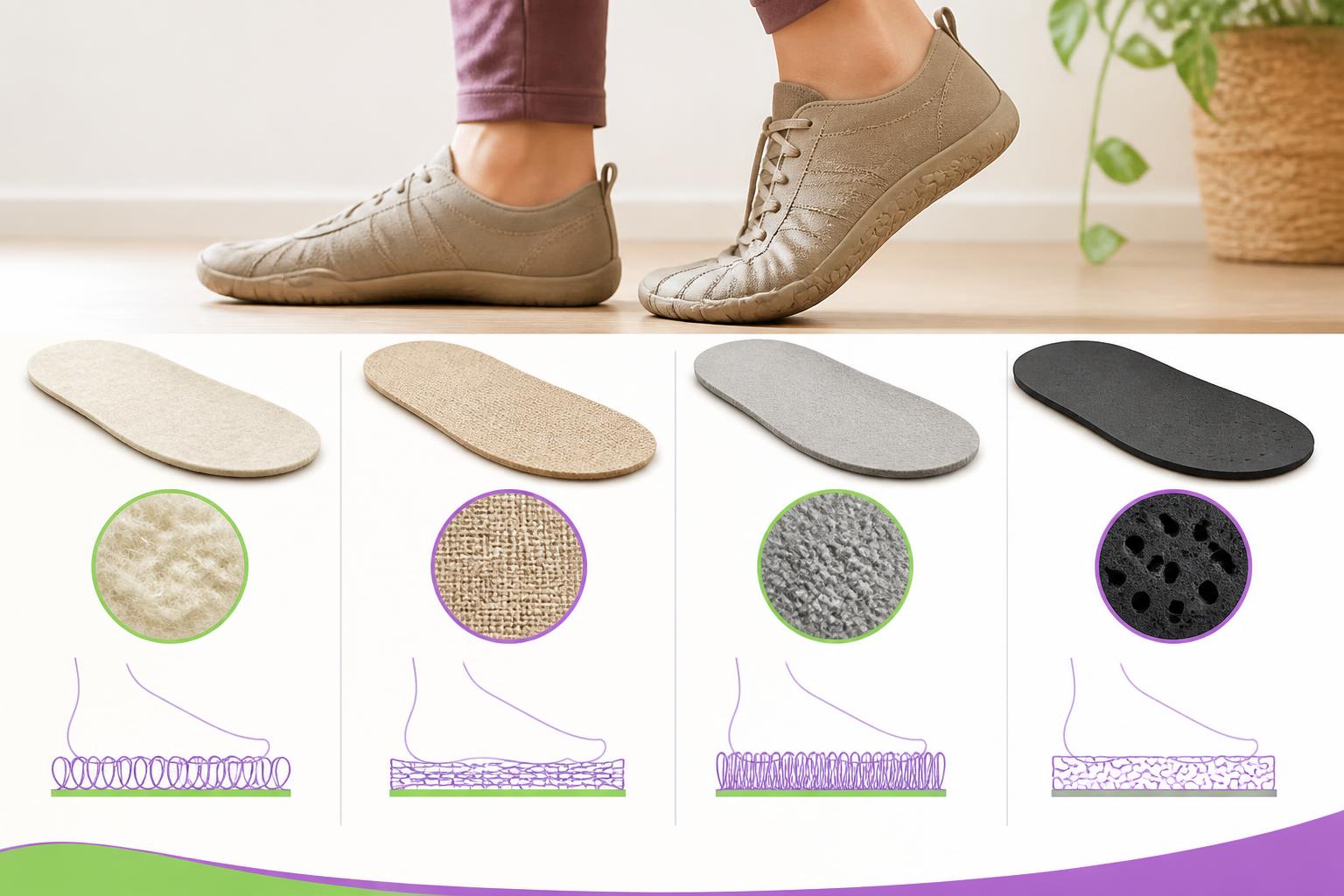
- Ventilation, cleaning and protection required by the environment.
- Safety, approval or employer requirements.
- An adaptation plan before wearing the shoes for a full working day.
If you want to compare concepts before choosing, remember that zero drop, fit, surface and your level of adaptation all influence the decision. The best option for you will be the one that responds to your job and fits properly, without overlooking the safety requirements of the workplace.