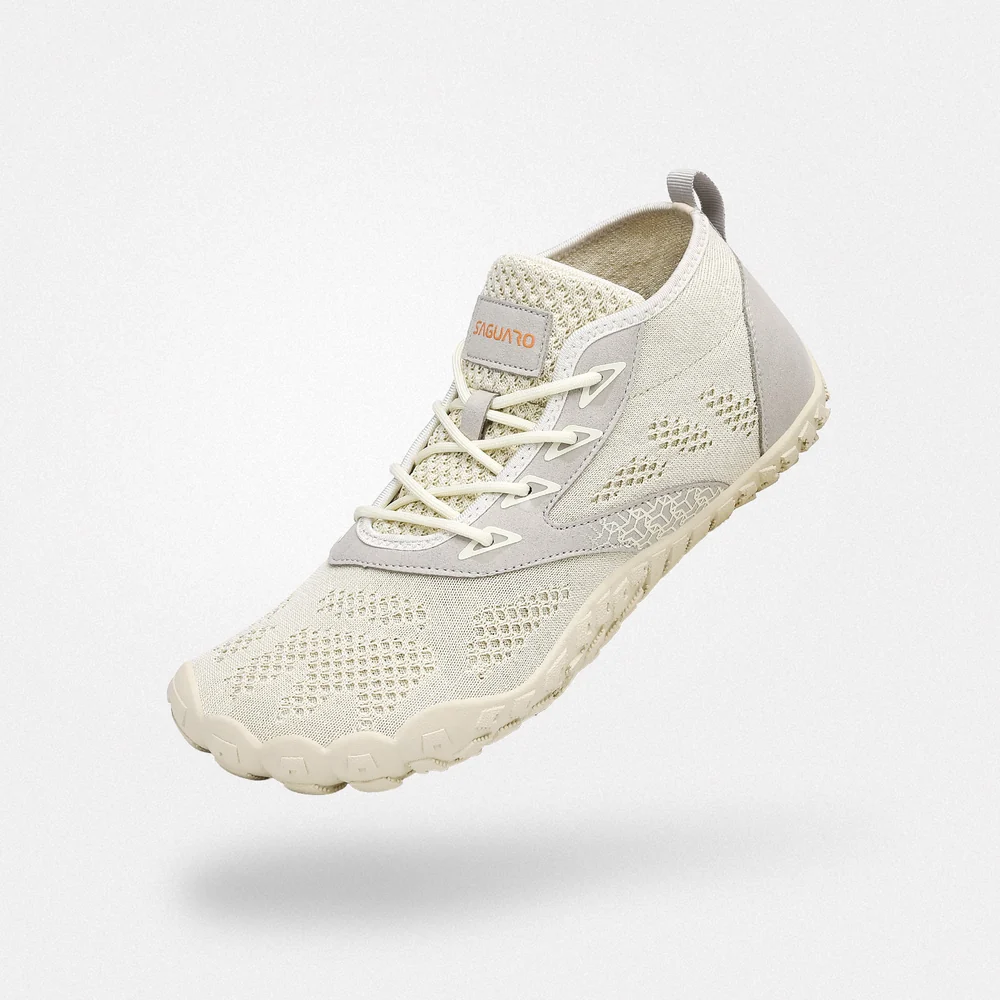
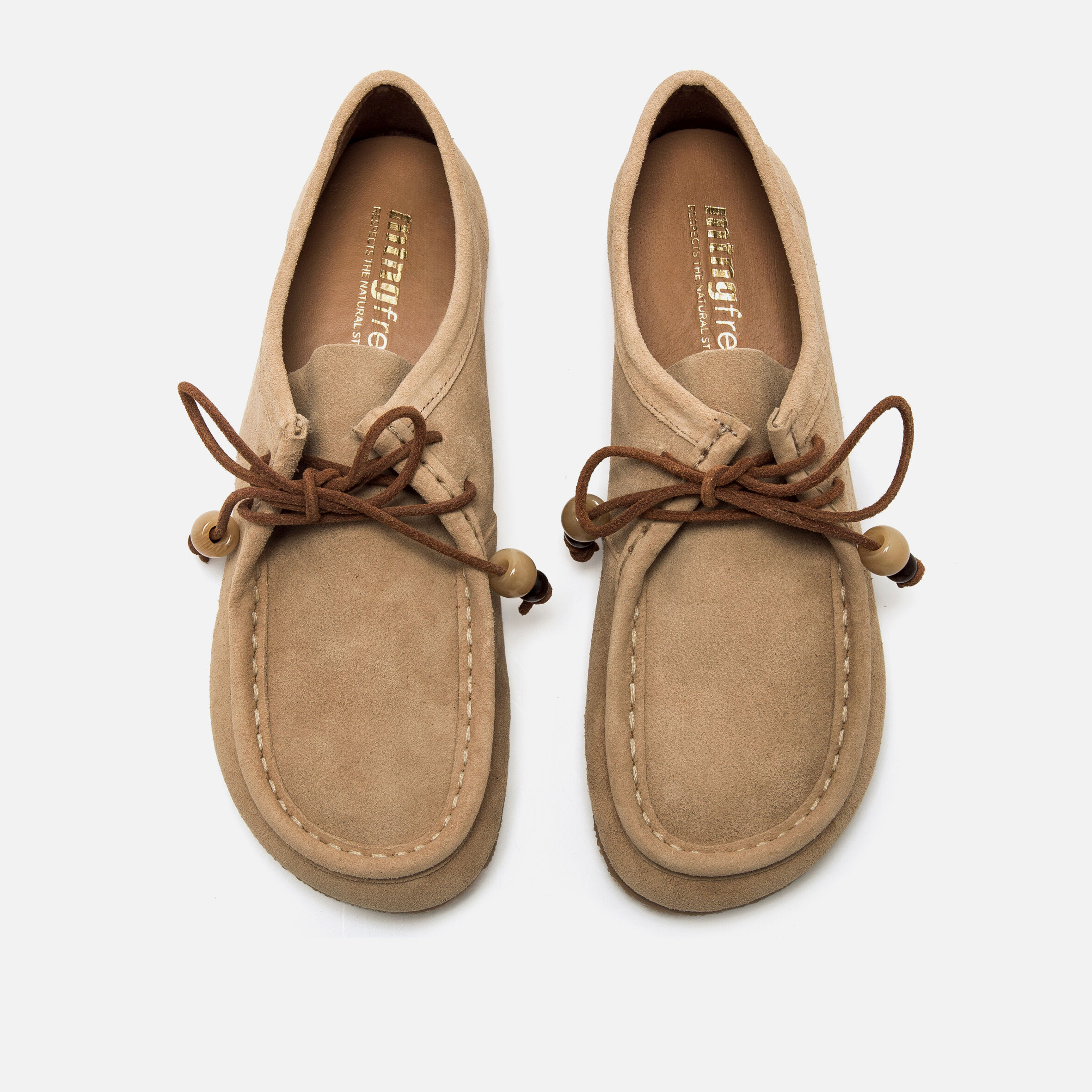
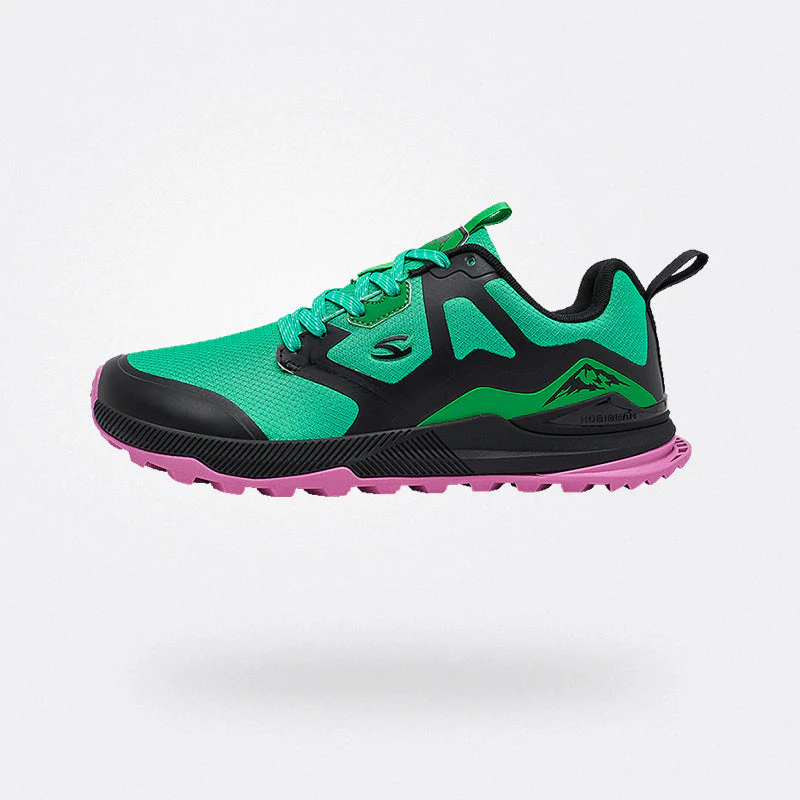
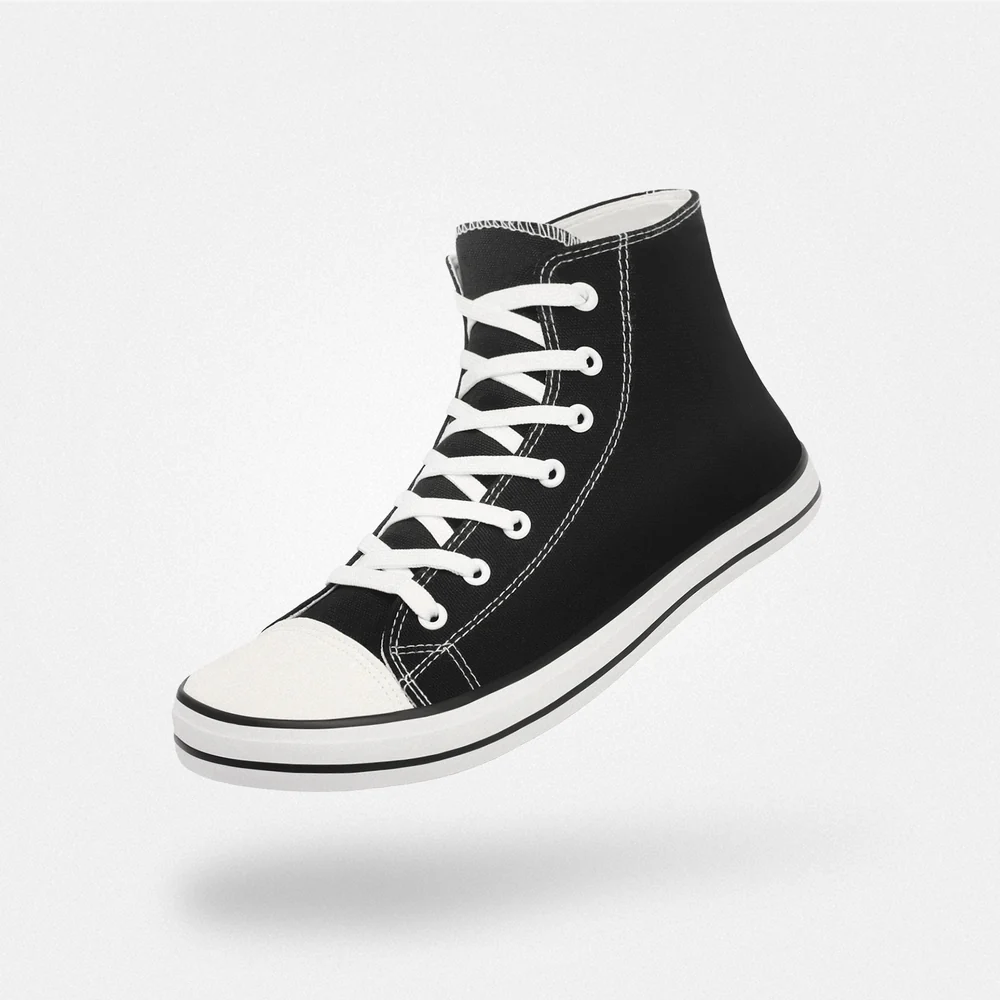








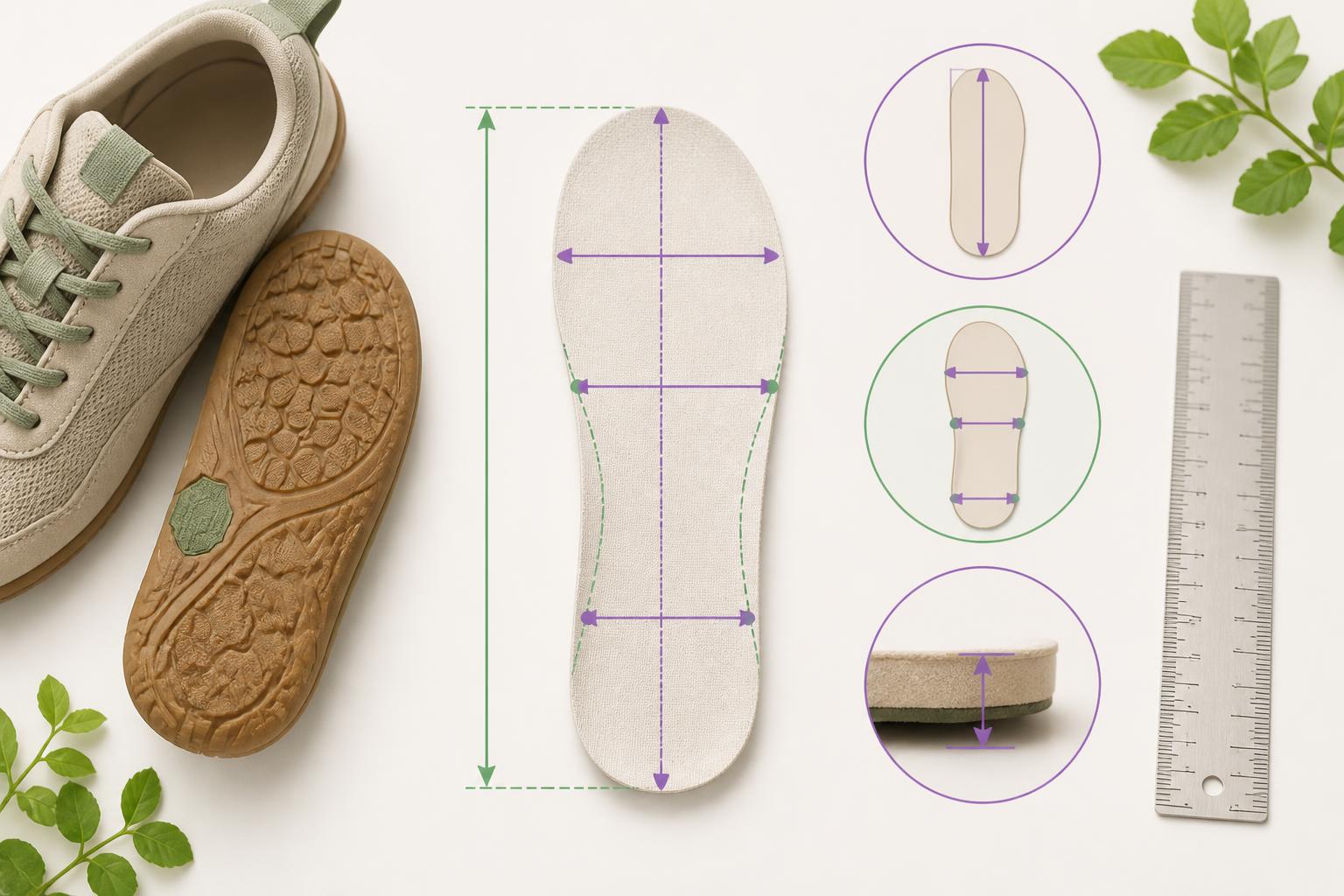
Choosing barefoot socks for winter is not just about looking for the thickest fabric. Adding layers inside the shoe can reduce space for the toes, put pressure on the instep and change the position of the heel. For this reason, you should assess the sock together with the footwear and the activity you intend to use it for.
In this guide, you will find a simple way to compare thin, medium and thick socks, as well as the differences between toe socks and wide-toe-box models. The final test should always be done with the shoes on and while walking.
¿Qué encontrarás aquí?
What a barefoot winter sock should provide
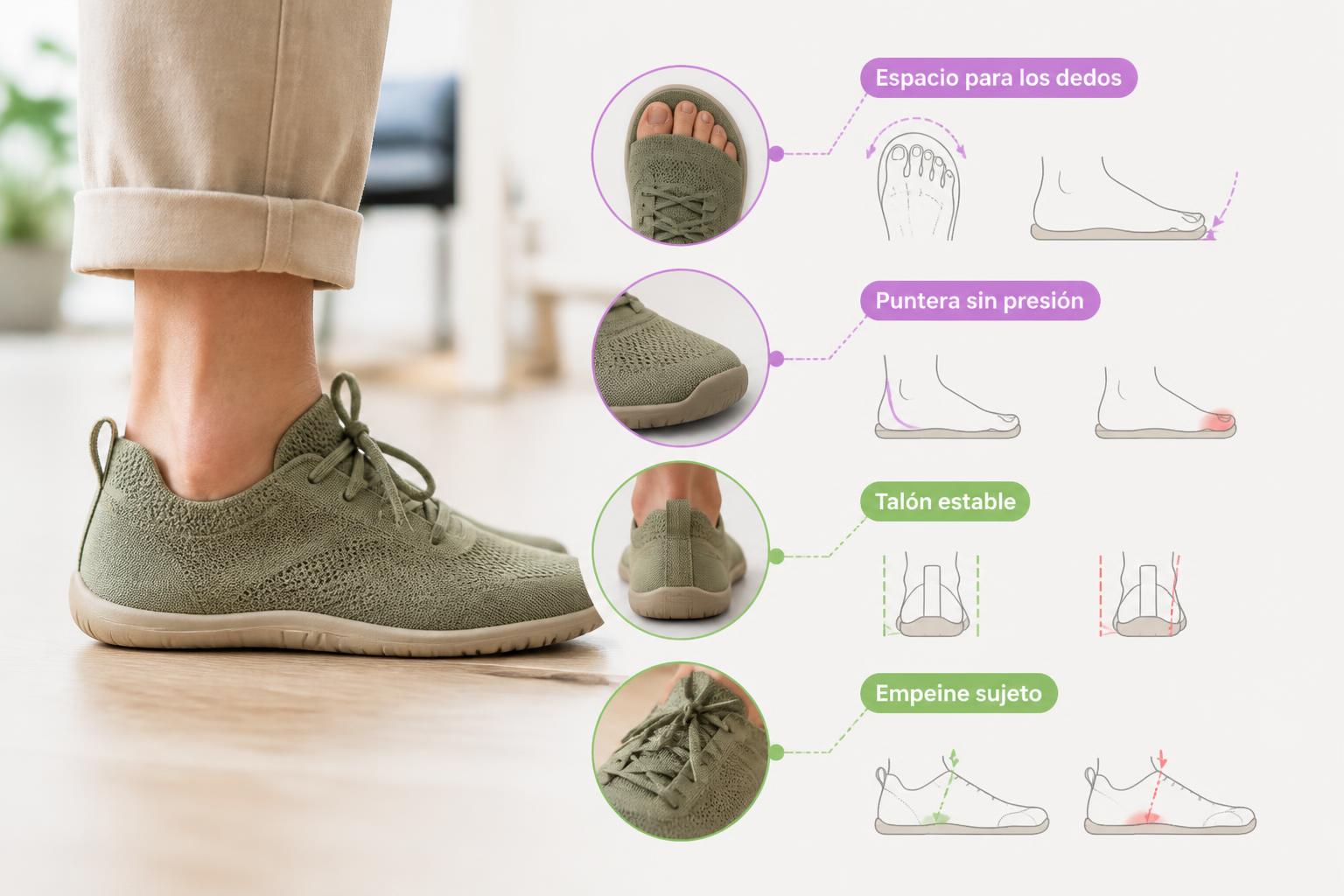
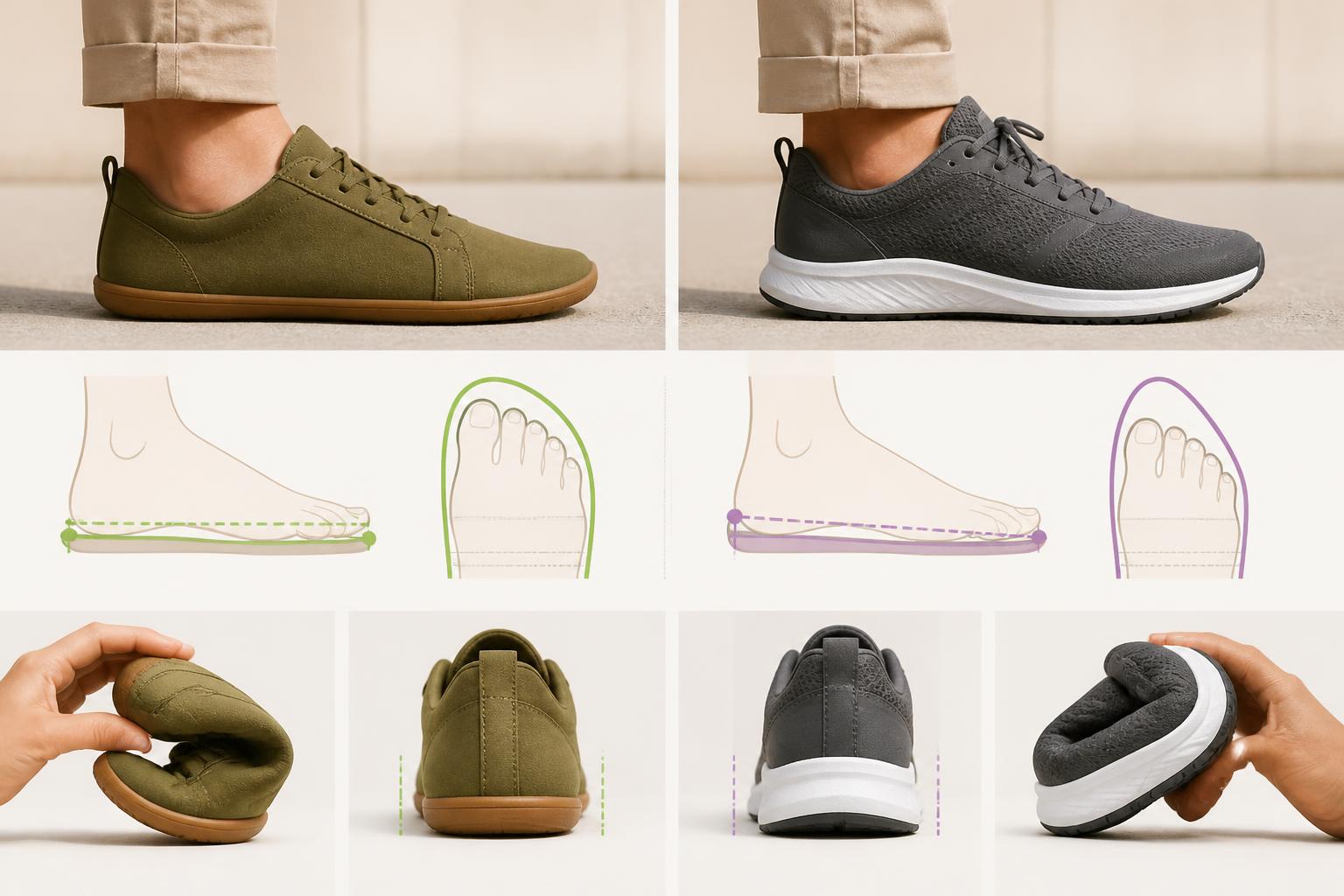
A winter sock compatible with barefoot footwear should provide warmth without taking up so much space that it changes the fit. The shoe’s toe box needs to remain wide enough for the toes to avoid being compressed or forced together. The length should also allow the foot to sit naturally without wrinkles.
Comfort depends on the combination of foot, sock and shoe. A model that works with a roomy shoe may feel too tight in another with a closer fit. Your foot shape, the thickness chosen, the level of support and the intended activity also make a difference.
Before buying, think about how you will actually use the socks: walking around town, working, staying indoors or spending time outside. The right sock should provide a warm, stable feel without causing pressure, rubbing or slipping during that activity.
Toe socks or a wide toe box: what changes
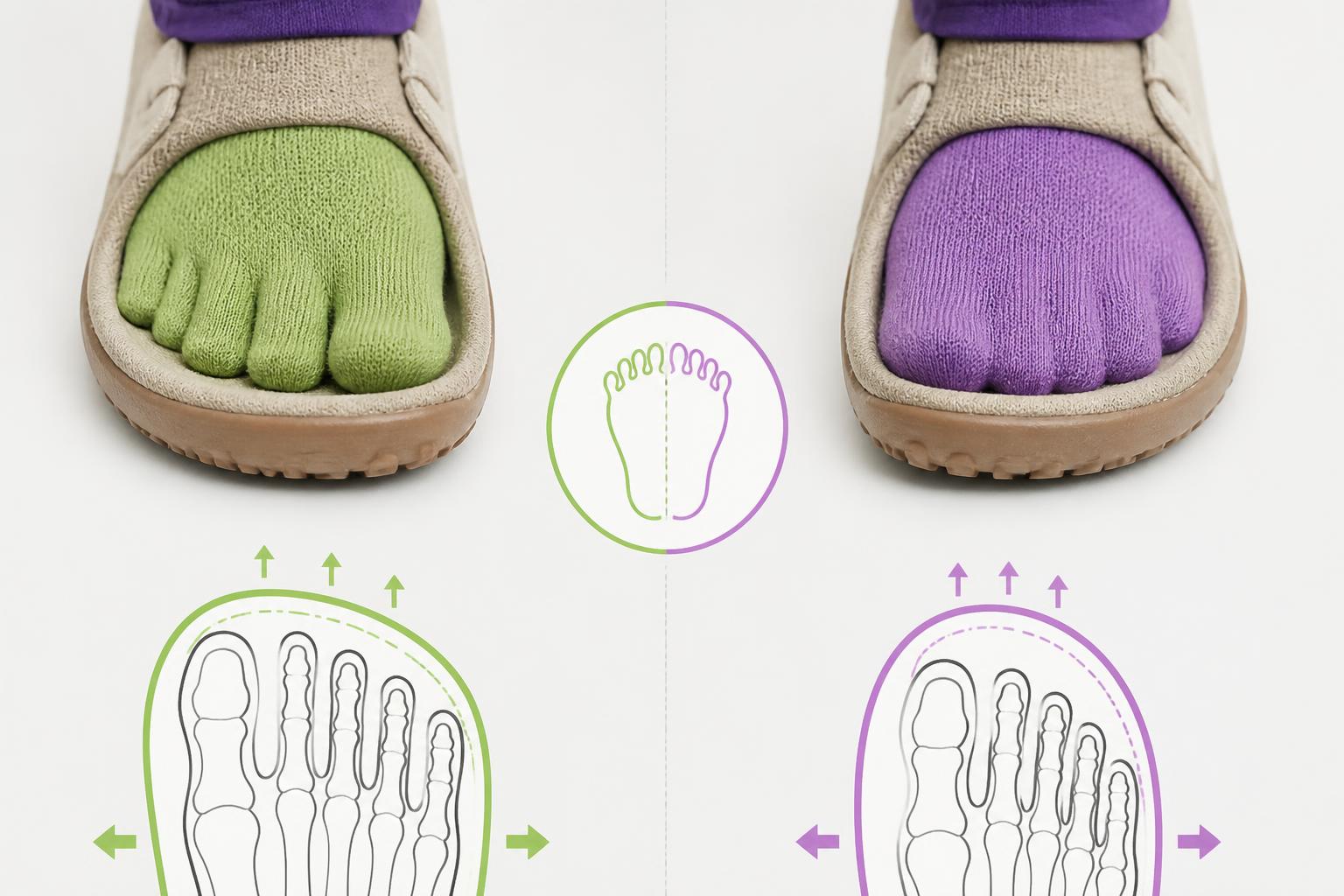
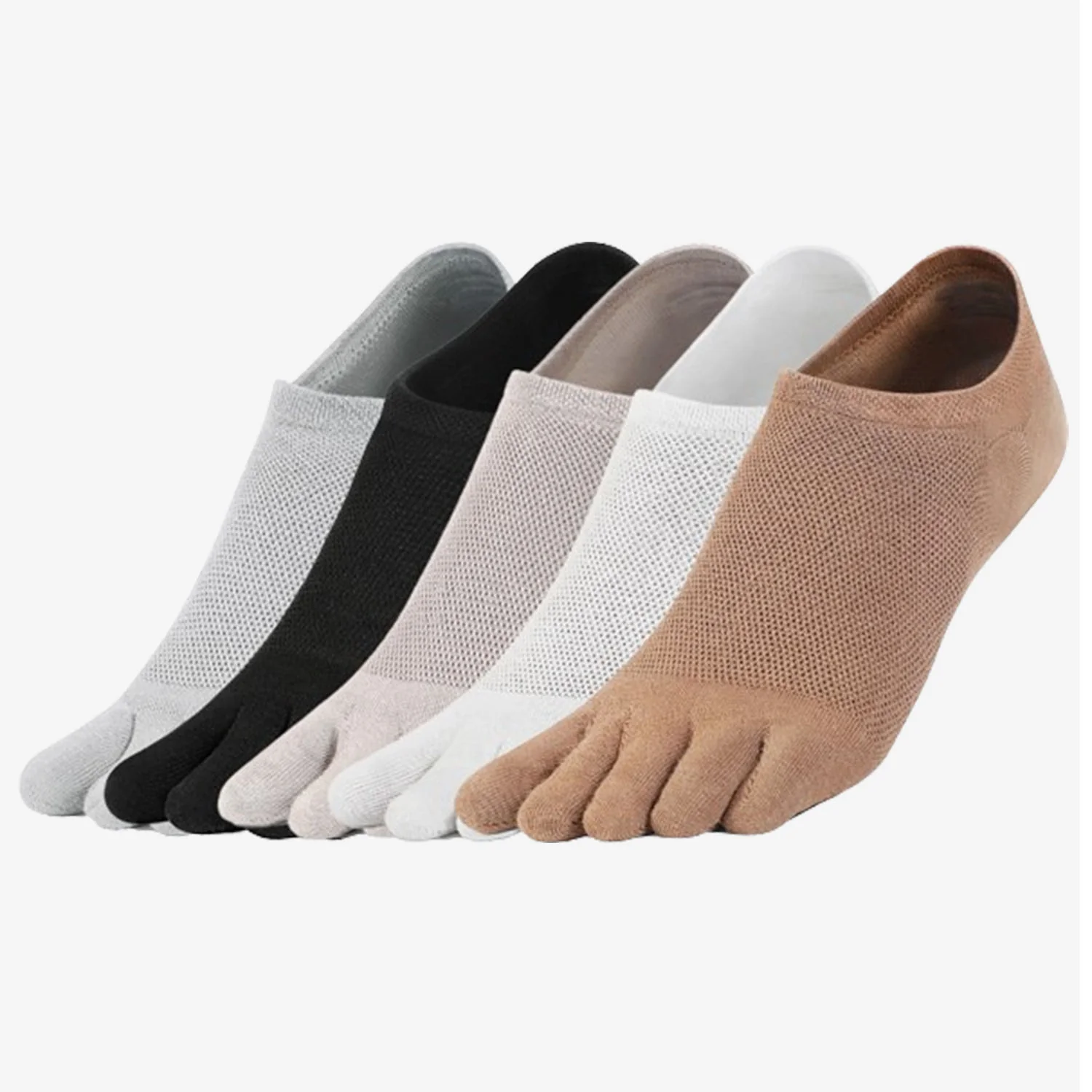
Toe socks have a separate compartment for each toe. This construction gives each toe its own space and may suit people who prefer to feel their toes more distinctly separated. It also requires the sock shape to match the anatomy of your foot and the shoe to provide enough width.
Conventional wide-toe-box socks keep the toes together in one shared area, but they may offer more room than a traditionally narrow sock. They are often easier to adapt to when you want a straightforward fit or when the footwear has limited interior volume.
When might toe socks be a better fit?
Toe socks may be an interesting option if you like feeling each toe separately and the inside of the shoe allows for the additional volume. When trying them on, check that the seams between the toes do not create pressure and that no compartment feels too short or twisted.
It is also worth considering how easy they are to put on. If fitting them requires you to reposition each toe repeatedly, the experience may not be practical for your routine. The choice depends on the actual fit, not simply on the number of compartments, but on whether the socks remain comfortable and stable throughout use.
When might a wide-toe-box sock be more practical?
A wide-toe-box sock may work better if you prefer simple fitting or if your shoe has limited interior space. Since it does not separate the toes, it may distribute fabric differently inside the toe area and make it easier for the foot to settle into its natural position.
Check that the front section does not become narrow. A sock described as wide does not guarantee a suitable shape for every foot, so pay attention to the feeling along the sides and to your freedom of movement with the shoes on.
How to choose thickness without losing space inside the shoe
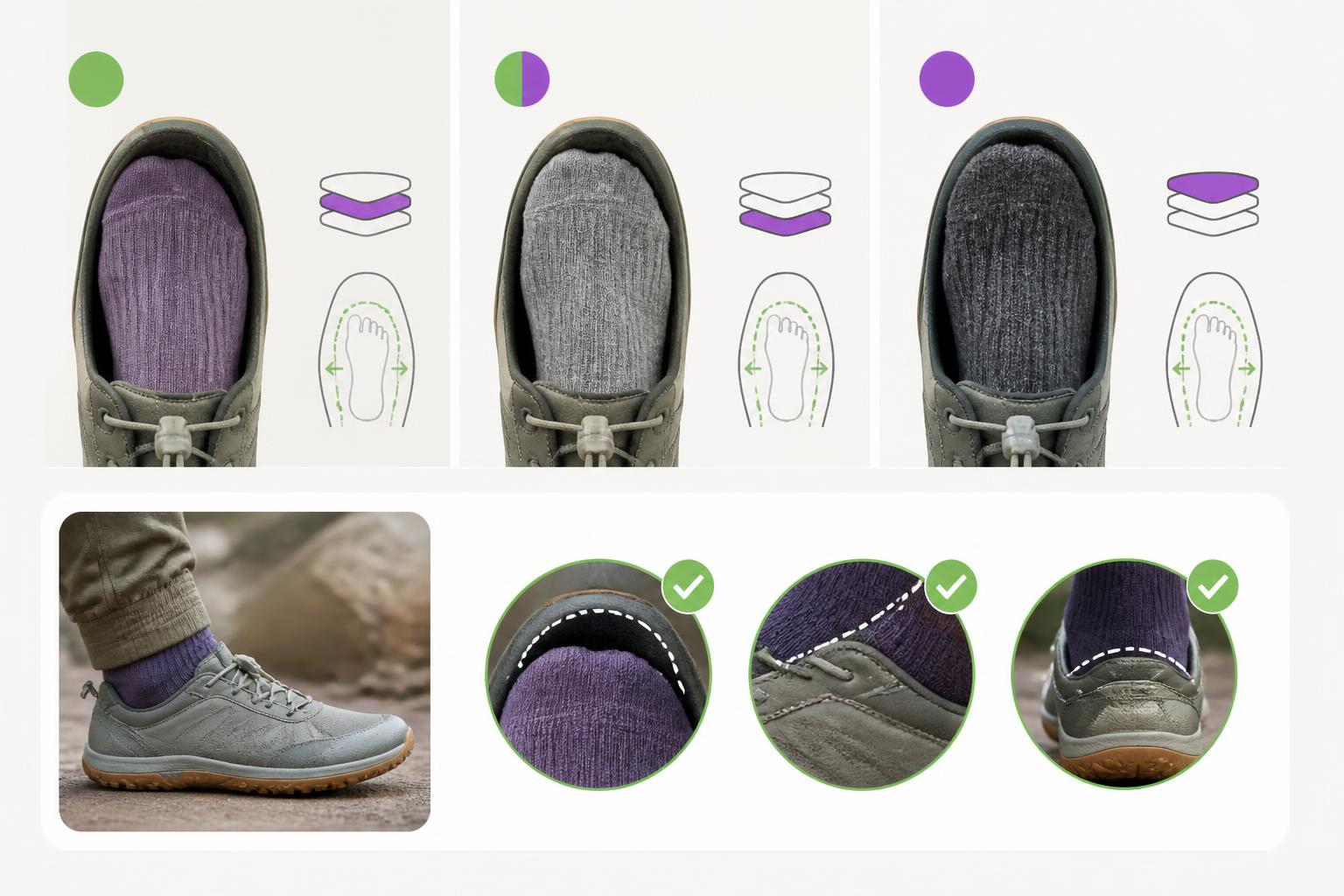
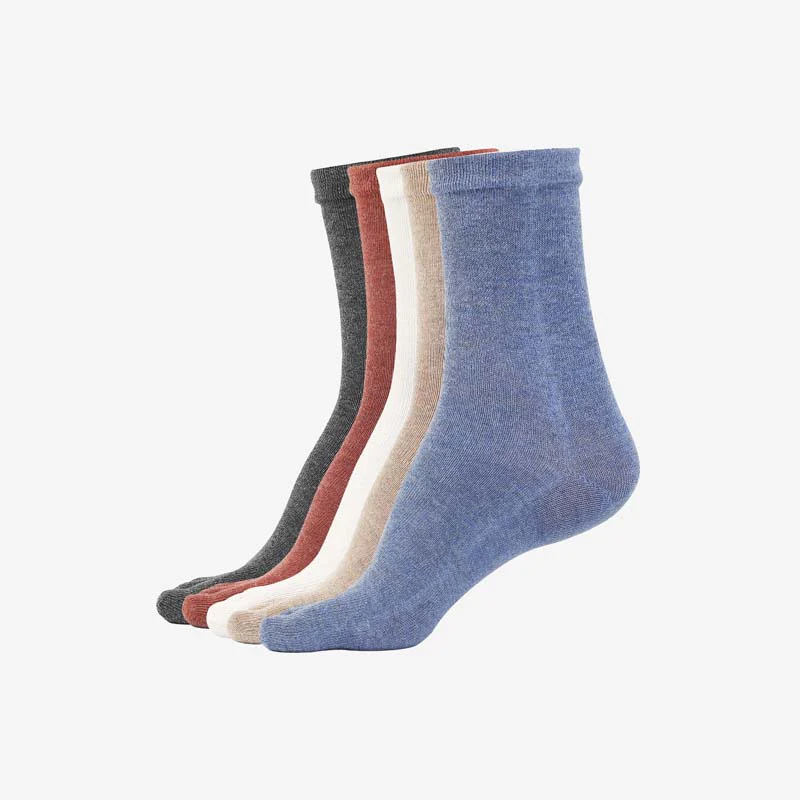
Thickness changes the available space in every direction. A thick sock can reduce room in front of the toes, increase pressure over the instep and make the heel less secure. A sock that is too thin, however, may not provide the level of warmth you want for the situation.
The categories thin, medium and thick are useful for comparison, but they are not universal measurements. The same sock may feel different depending on its material, knit, size and construction. A roomy barefoot shoe also allows more margin than one with limited interior volume.
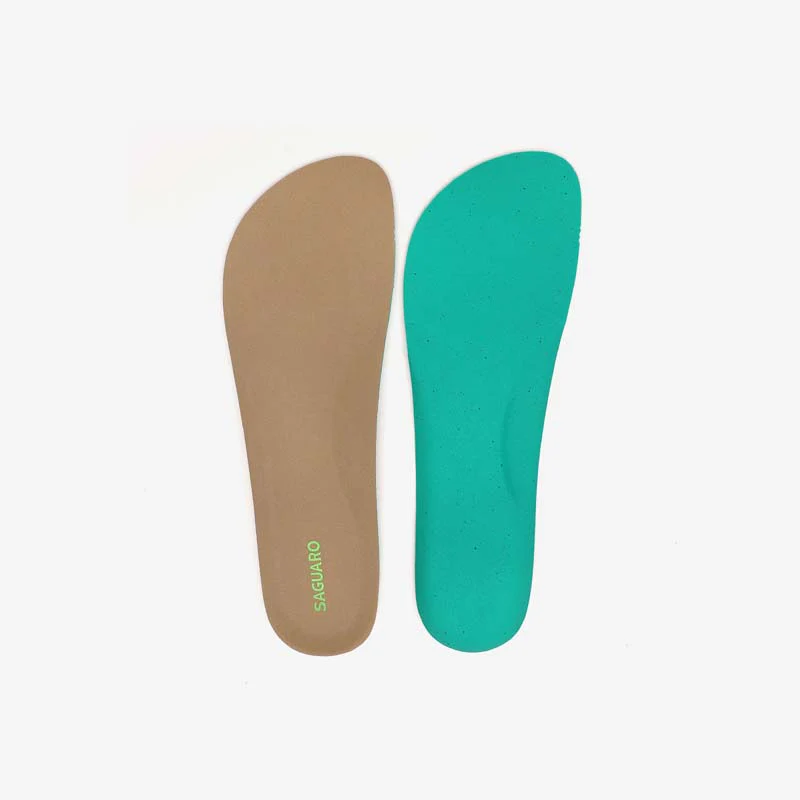
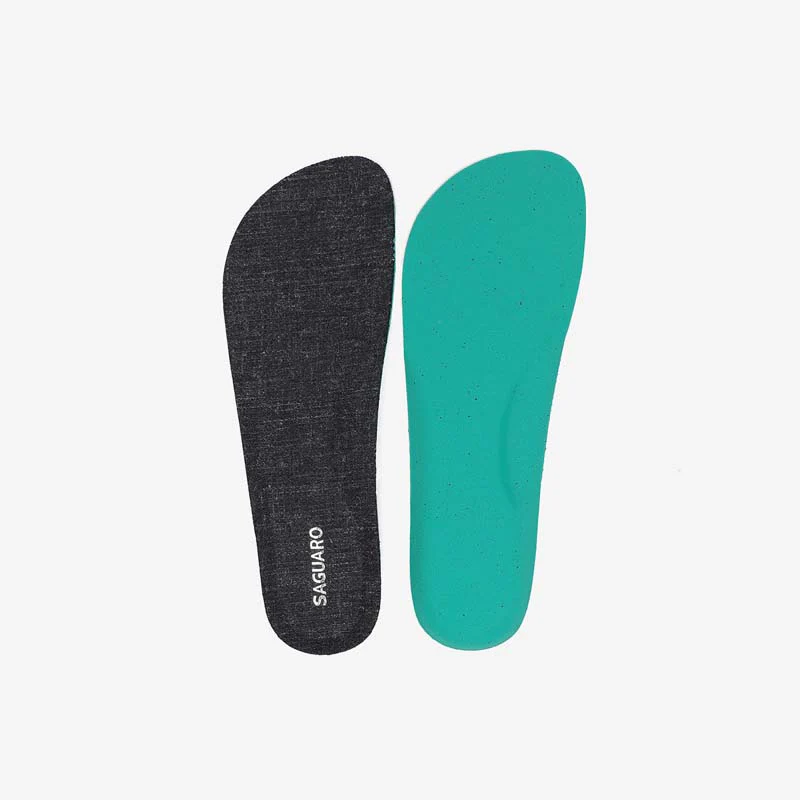
Start with the thickness you can wear without changing the position of your foot, and increase it only if the whole combination remains comfortable. If you need more space, also check the insole and lace adjustment rather than forcing your foot into the shoe.
Test table: thin, medium or thick
Use this comparison when you have several socks available. The aim is not to automatically choose the thickest one, but to find the level that balances space, support and warmth for your footwear and activity.
Test the socks with your foot inside the shoe rather than judging them only by touching them with your hand. A thickness that seems comfortable at first may change toe freedom, instep pressure or heel position after walking.
| Thickness | Space in front of the toes | Instep pressure | Heel and warmth |
|---|---|---|---|
| Thin | Should preserve comfortable room | Usually leaves more margin | May provide a feel closer to your usual fit |
| Medium | Check that the toes are not restricted | Observe whether pressure increases | Look for a balance between warmth and stability |
| Thick | Needs a toe box with enough volume | May quickly fill the instep area | Check whether the heel shifts while walking |
Signs that the sock takes up too much space
The sock may be too bulky if you notice pressure at the sides, your toes become curled or the top of your foot rubs against the shoe’s instep. Persistent marks, wrinkles or an uncomfortable feeling of heat are also signs that you should try another combination.
Pay attention to support. If the heel slips more than usual or the foot moves forward inside the shoe, the thickness has changed the fit. Extra warmth does not make up for a clear loss of stability, especially when it appears while walking.
Seams, materials and breathability: other important criteria
Seams deserve particular attention, especially around the toe area and between the toes. A thick, poorly positioned or shifting seam can cause discomfort that is not noticeable when you handle the sock. Put it on, smooth the fabric and check how it feels inside the shoe.
Check the composition listed in the product information and relate it to your preferences, the surrounding temperature and the intended use. Not all fabrics feel the same against the skin, and the experience can vary from person to person.
Breathability is another comfort criterion. Look for a construction that does not create an unpleasant feeling of dampness during use, but avoid treating this feature as a promise to prevent foot problems. For more information about wearing socks with respectful footwear, you can visit barefoot footwear.
Testing compatibility inside the shoe
Test the socks you will actually wear and, if possible, at a time similar to your usual activity. Your feet may feel different after several hours of movement, so checking the combination while seated for a few seconds is not enough.
First check the toe box, then the instep and finally the heel. If one area feels fine but another starts to feel tight or slips, the issue may be the combination of shape and volume rather than the sock size alone.
How to check the fit in five steps
This sequence helps identify the most common changes that occur when you add a winter sock. Test both feet, since they do not always have exactly the same shape or volume.
- Put on the sock and smooth the fabric to remove wrinkles.
- Put your foot into the shoe and place the heel in its usual position.
- Move your toes and check that they can spread without lateral pressure.
- Check the instep and adjust the laces without tightening them to compensate for excess volume.
- Walk for several minutes and observe pressure, stability, rubbing and movement.
If the combination feels comfortable both while standing and walking, also try gentle turns and changes of pace. A fit that feels right when still may change when the foot moves inside the shoe.
What to do if the shoe feels tight only with winter socks
Start by comparing a thinner sock or a different toe shape. Then check whether the insole adds volume and whether the footwear can hold the foot securely without increasing pressure over the instep. Laces should not be used to conceal a lack of space.
If the shoe still feels tight, its interior volume may not be compatible with that sock. Changing the combination is usually more reasonable than trying to get used to constant pressure. If you experience persistent pain, an injury or a diagnosed condition, consult a healthcare professional.
Quick choice by use and final checklist
For everyday use, prioritise a toe box that allows the toes to move, a thickness that does not alter support and comfortable seams. If you will work in the footwear for many hours, give extra importance to stability while walking and to whether rubbing develops over time.
For indoor use or short trips, a thin or medium thickness may be enough, provided it feels warm enough for you. Outdoors, choose thickness together with the shoe’s volume and the actual conditions of use, rather than relying only on the season.
What to check when looking for barefoot socks for everyday use
Check that the toe area does not compress your toes and that the sock stays in place while walking. The fabric should lie smoothly inside the shoe, without folds that increase friction or create pressure points.
Then assess the thickness, seams and feeling of moisture. The best criterion is how the combination performs during your routine, not the label used to describe the sock.
What to check before buying barefoot winter socks
Read the listed shape, available thickness, composition and care instructions. If you are deciding between toe socks and a wide-toe-box design, consider the actual space in your shoe and the sensation you prefer when moving your toes.
When the socks arrive, test them while standing and walking before wearing them for many hours. If they preserve space, comfort and support, you will have a more coherent combination for preparing your barefoot shoes for cold weather.