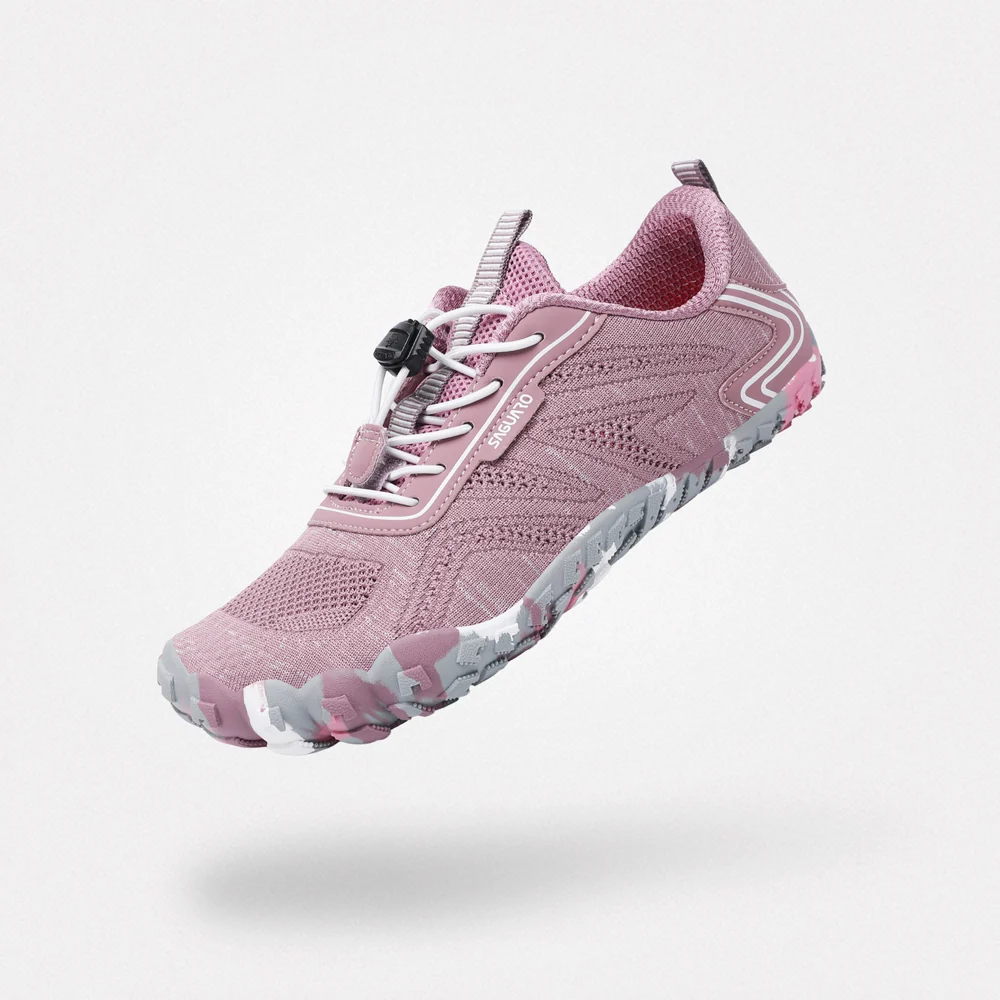
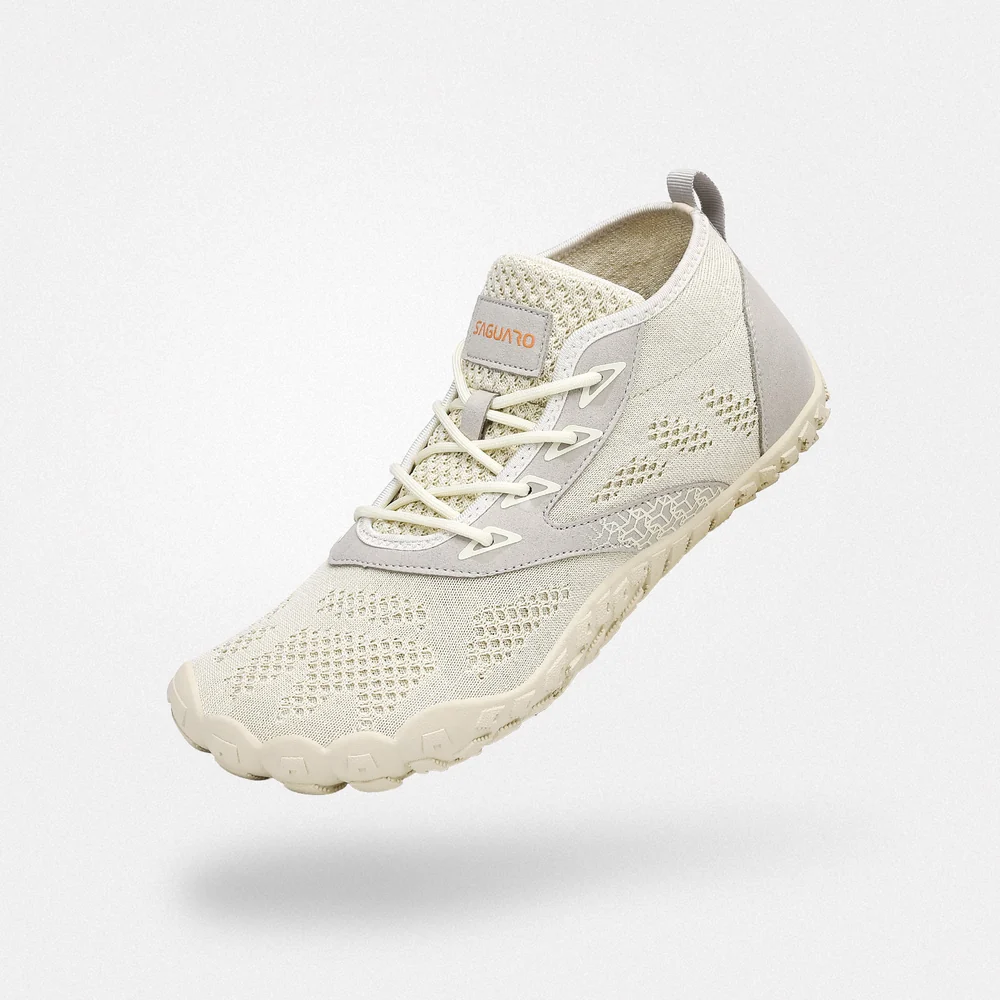
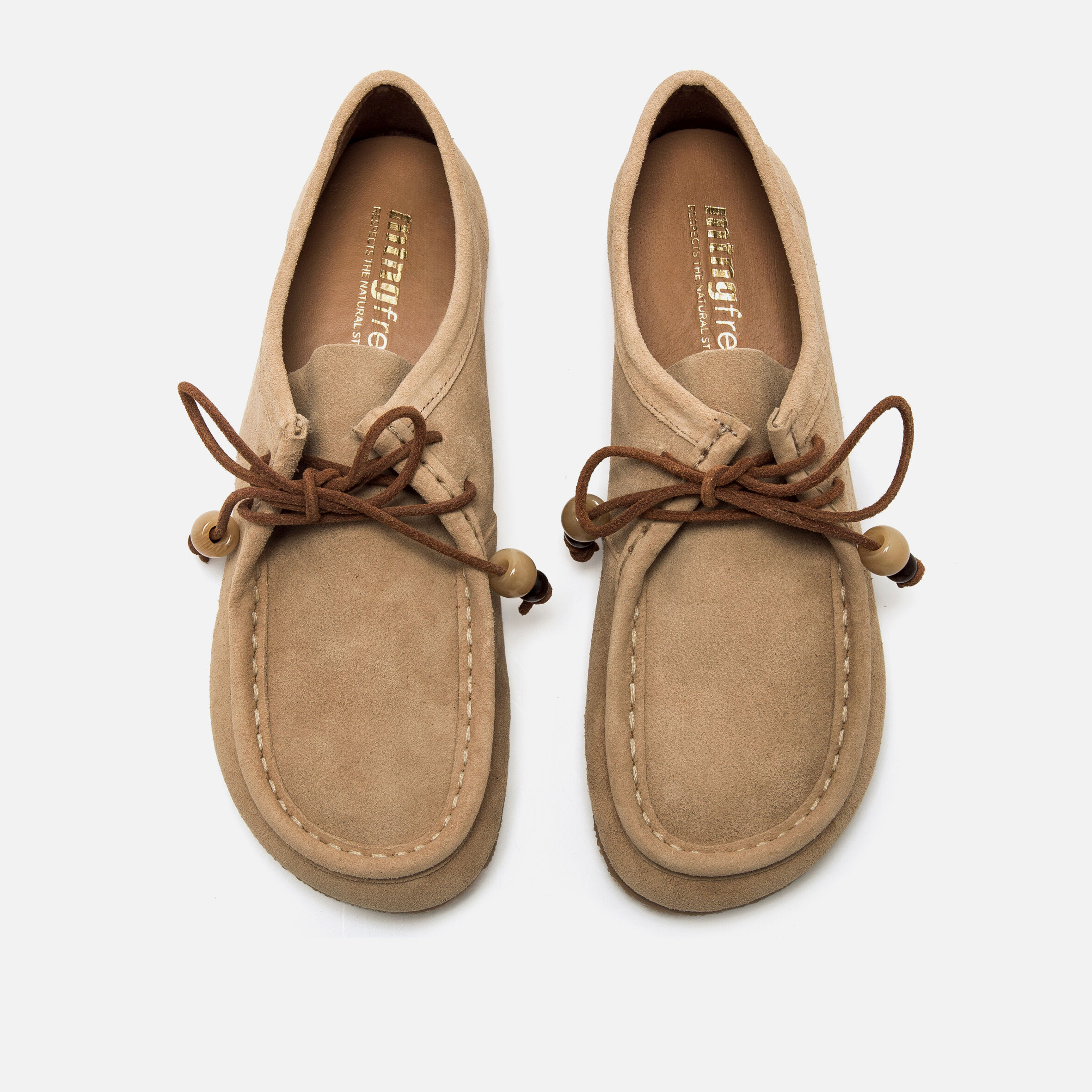
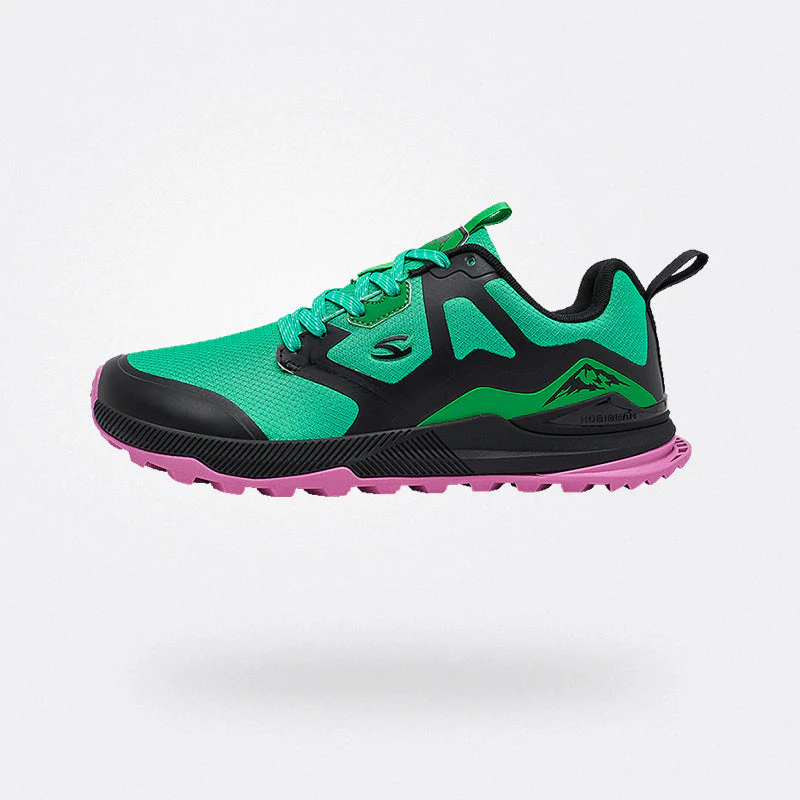
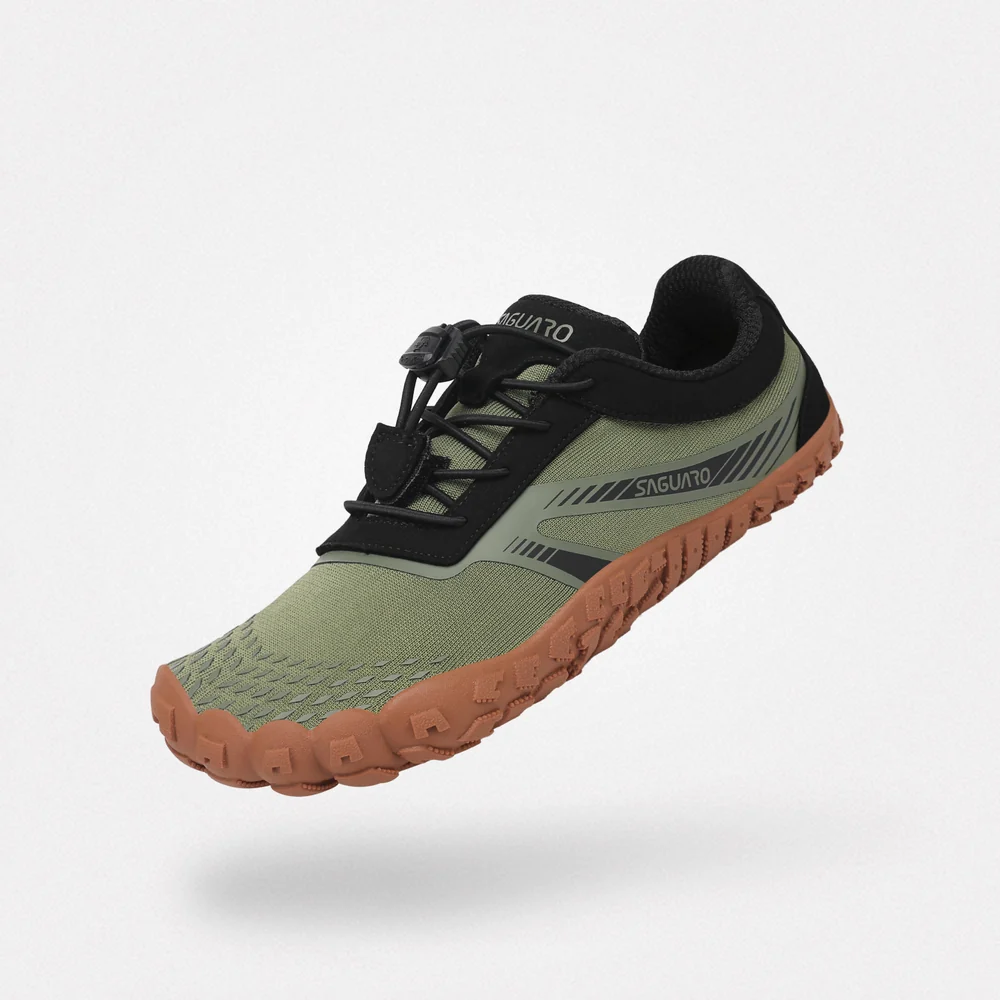
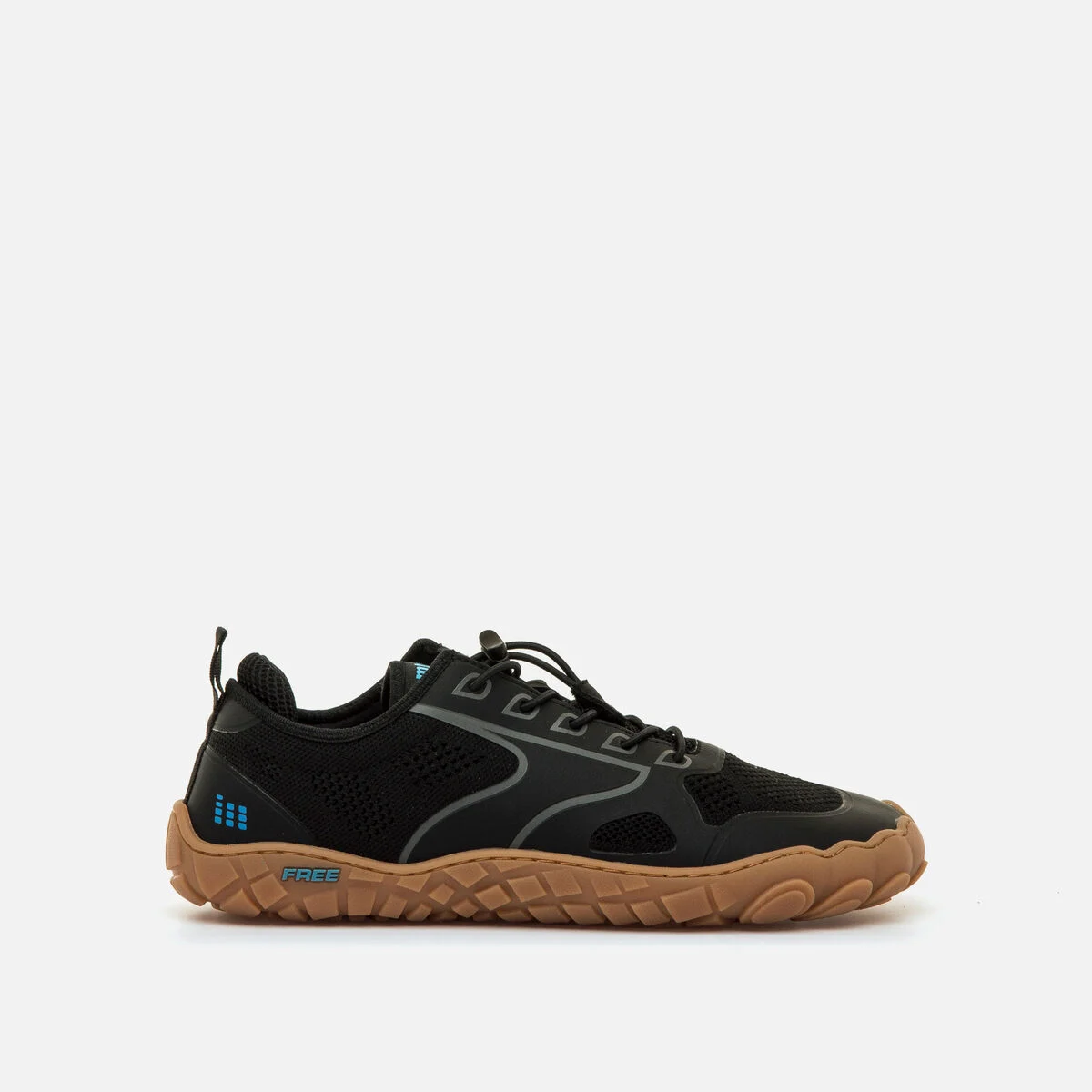
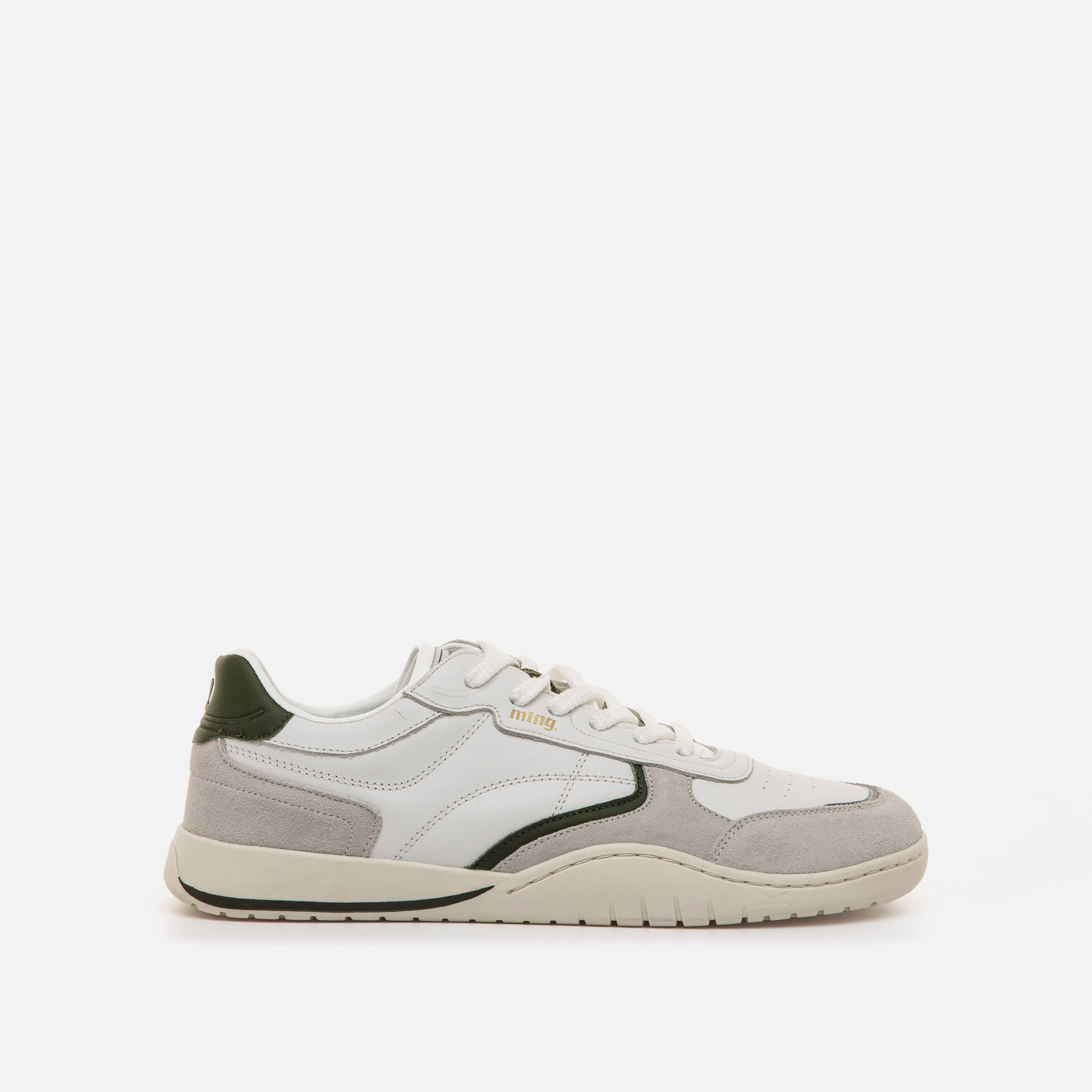

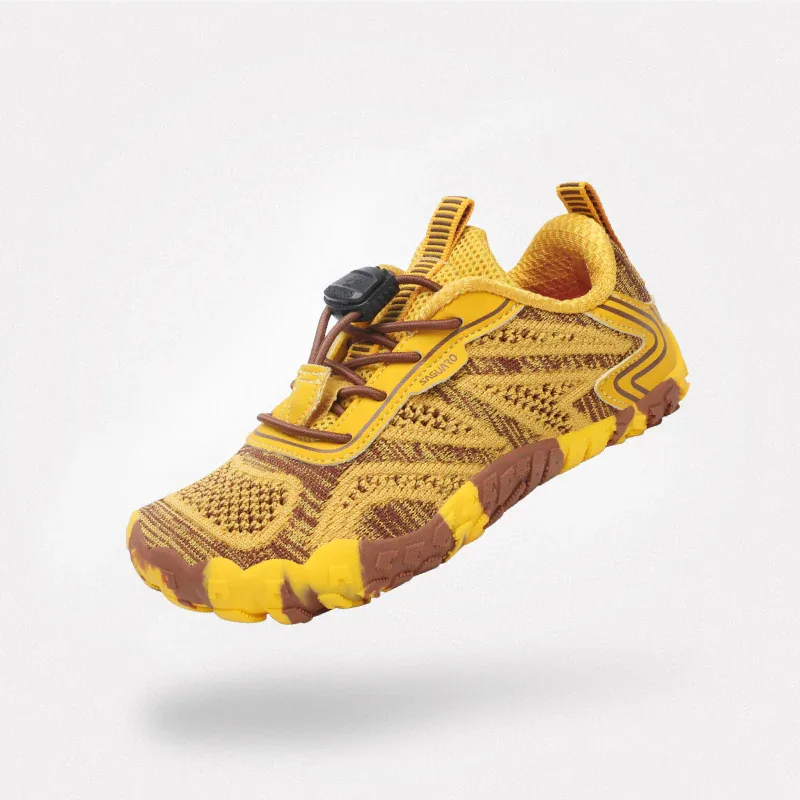
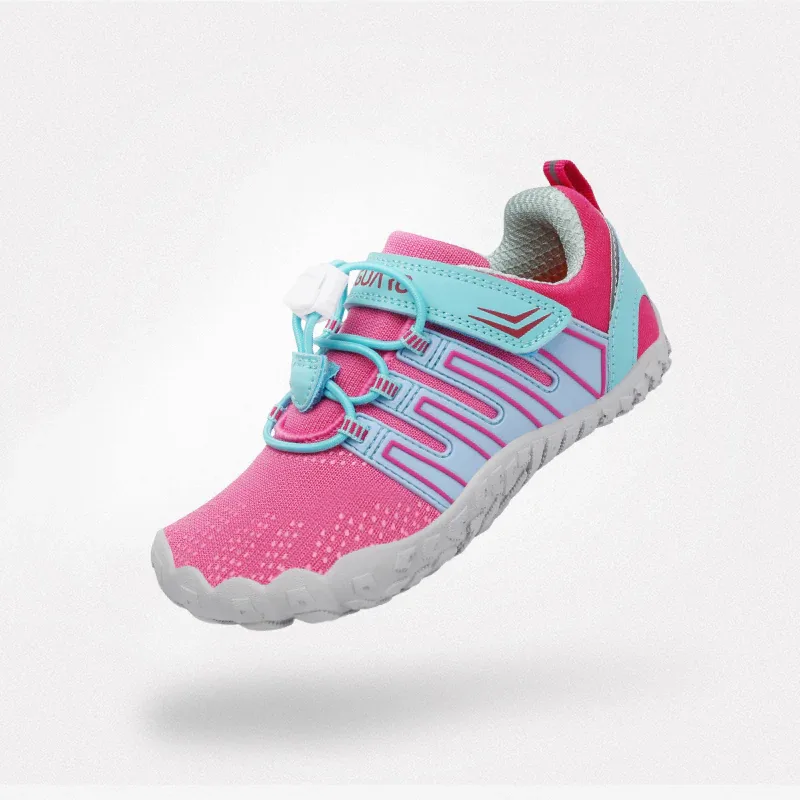
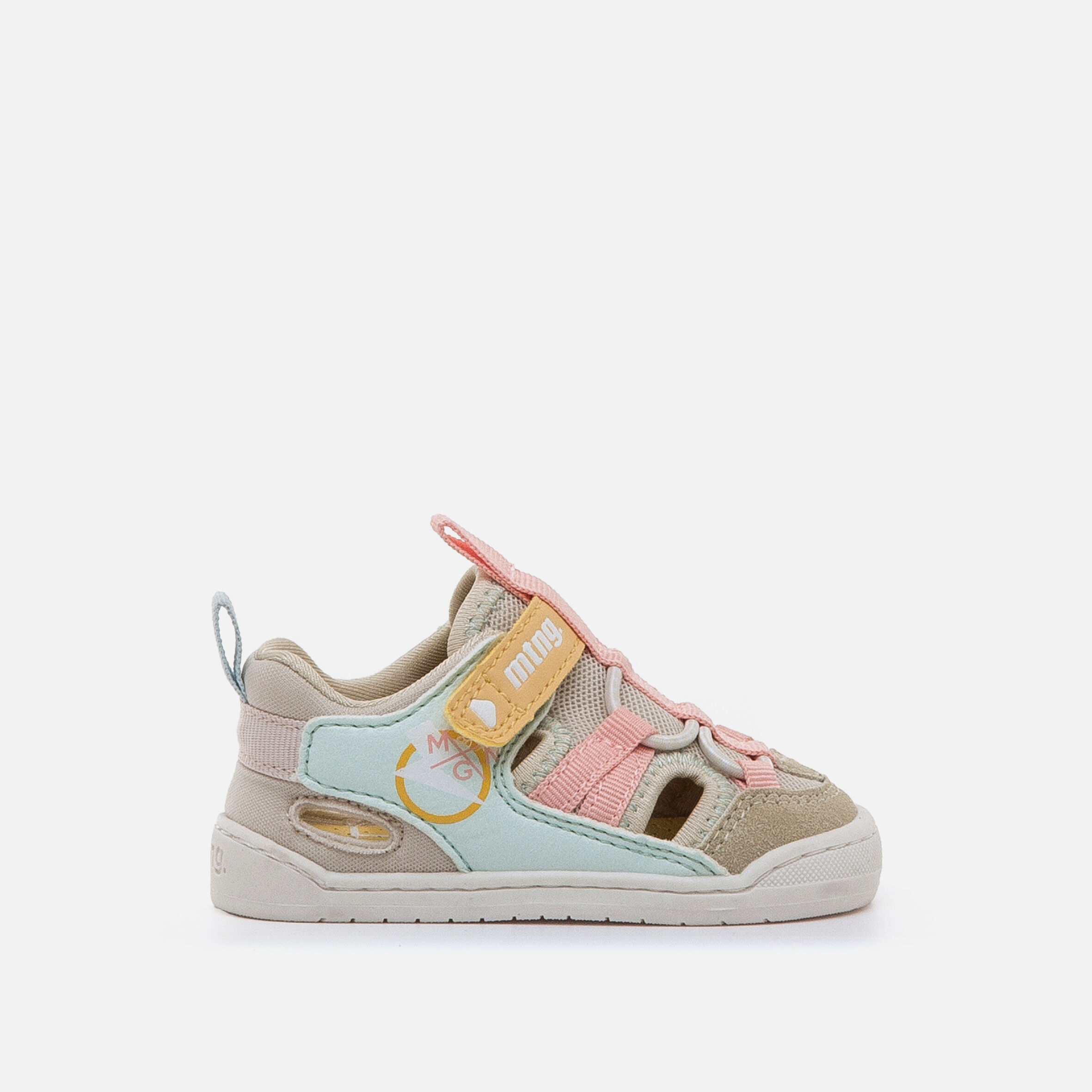

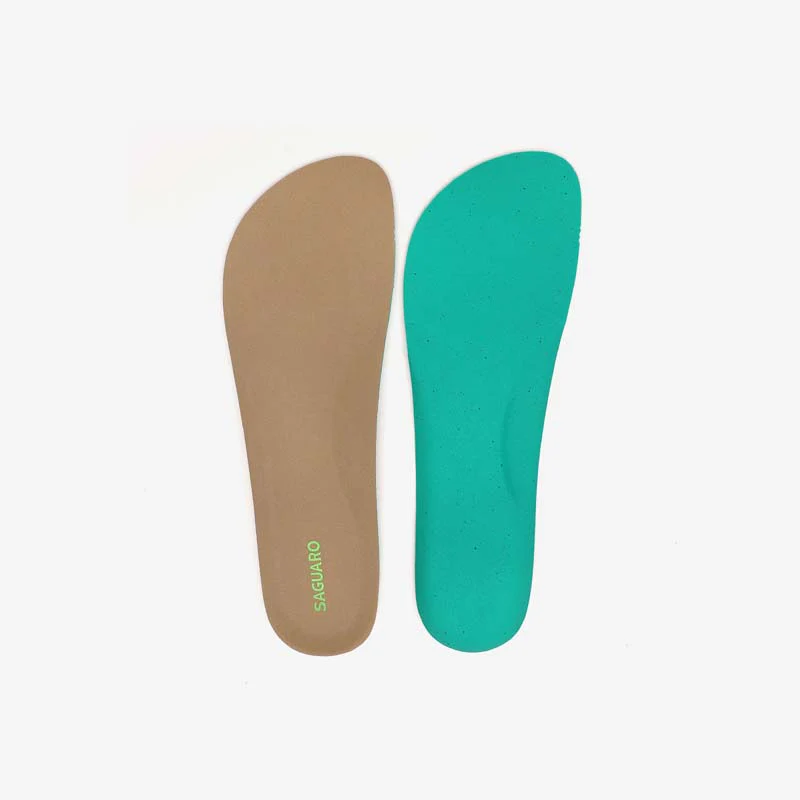
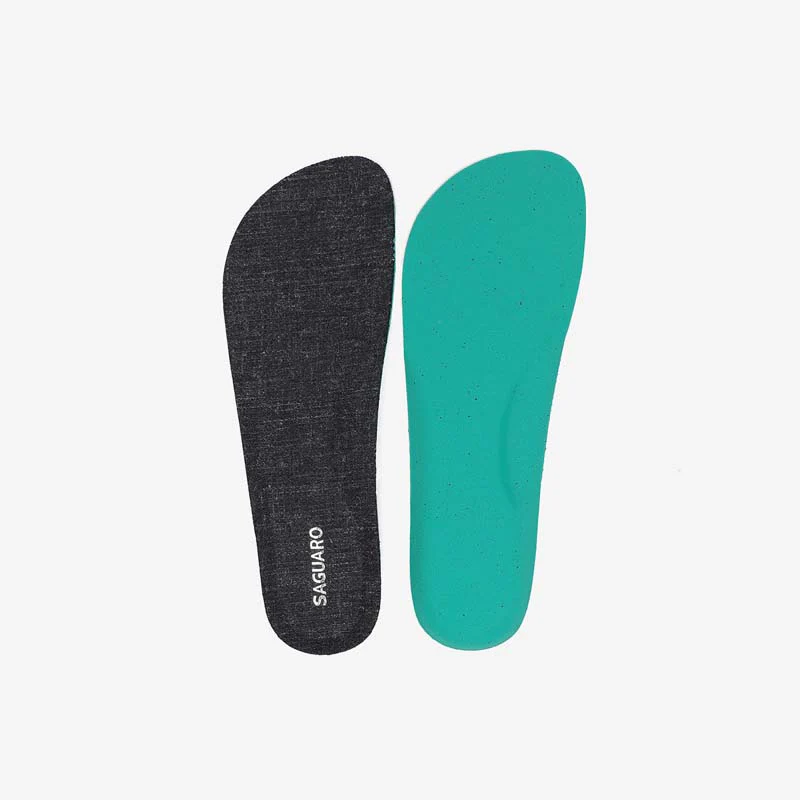





The name Joma Barefoot may catch your attention if you are looking for shoes that offer a more natural feel when walking or training. However, a commercial label is not enough to tell you how a model is constructed or whether its fit suits you.
In this guide, you will find a practical way to assess any product presented under this name. The key is to review the same aspects every time: drop, toe box, flexibility, support, intended surface and sizing. This will help you compare models carefully, rather than deciding based only on the design or the popularity of a collaboration.
¿Qué encontrarás aquí?
What Joma Barefoot means and what to assess
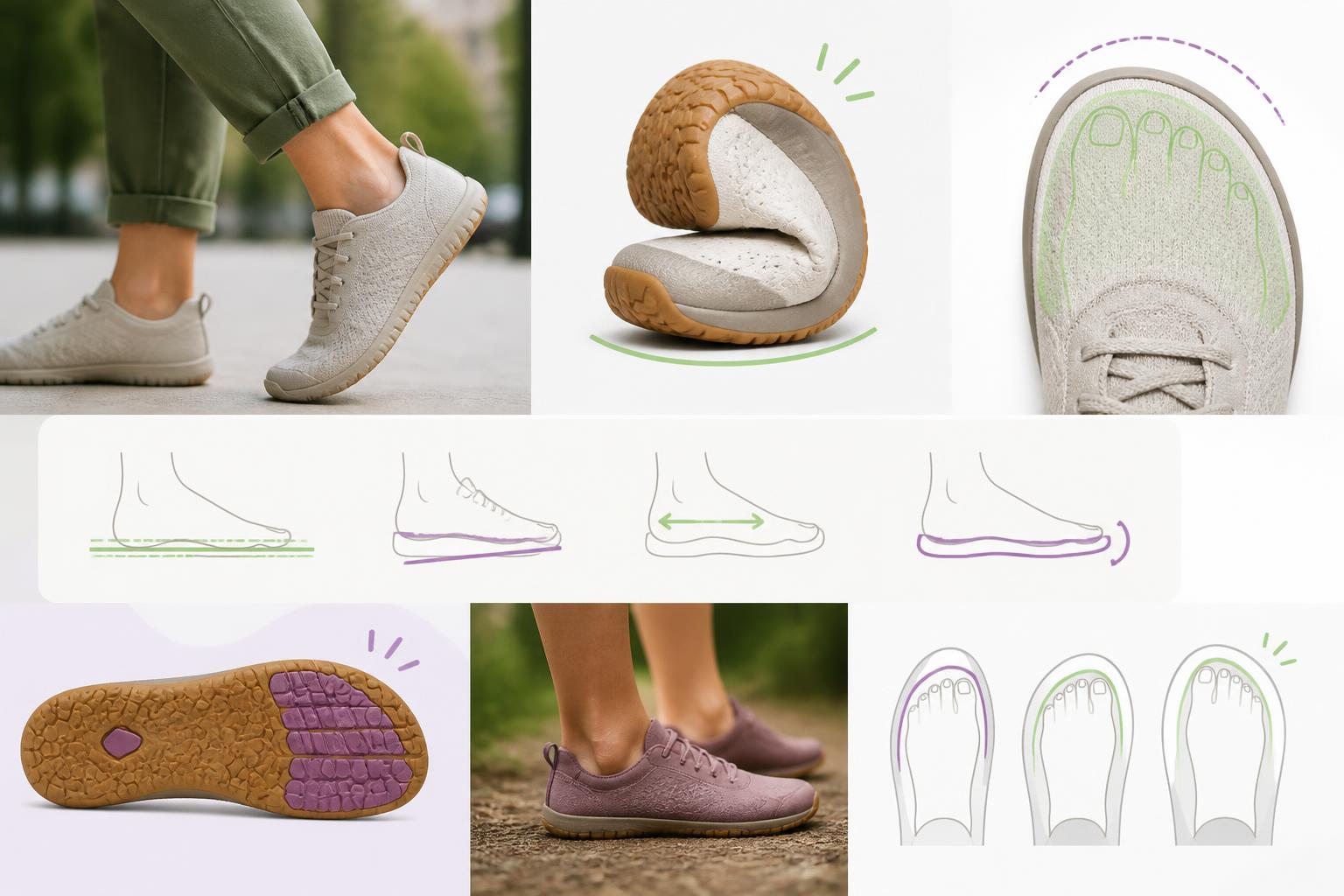
Barefoot, minimalist footwear and foot-shaped footwear are terms often associated with greater freedom for the toes, a flexible sole and little difference in height between the heel and the front of the foot. However, these words alone do not describe every detail of a shoe.
Before buying, look for specific information in the model’s product details, including the sole construction, toe box shape, closure system and recommended use. The name should be checked against the actual design and the shape of your foot, especially if you have never worn minimalist footwear before.
What a commercial label can tell you
The barefoot name may point you towards a product category, but it does not automatically tell you the drop, the usable width of the toe box or the flexibility of the sole. Nor does it indicate whether the internal volume will suit a high instep or a narrow foot.
For this reason, avoid judging a shoe only by a side photograph. An apparently flat silhouette may have a last that squeezes the toes, while a toe box that looks wide may not provide the space you need when you try the shoe on.
What role does Cristina Pedroche play?
Cristina Pedroche’s public association with barefoot footwear may have increased interest in this type of product. This context helps explain why some people search for Joma Barefoot, but it does not replace the technical information for each individual model.
A collaboration, campaign or appearance by a well-known person does not show that a shoe will suit every foot or activity. When choosing, give priority to the fit, the intended use and the specifications that you can check directly.
A framework for comparing any model
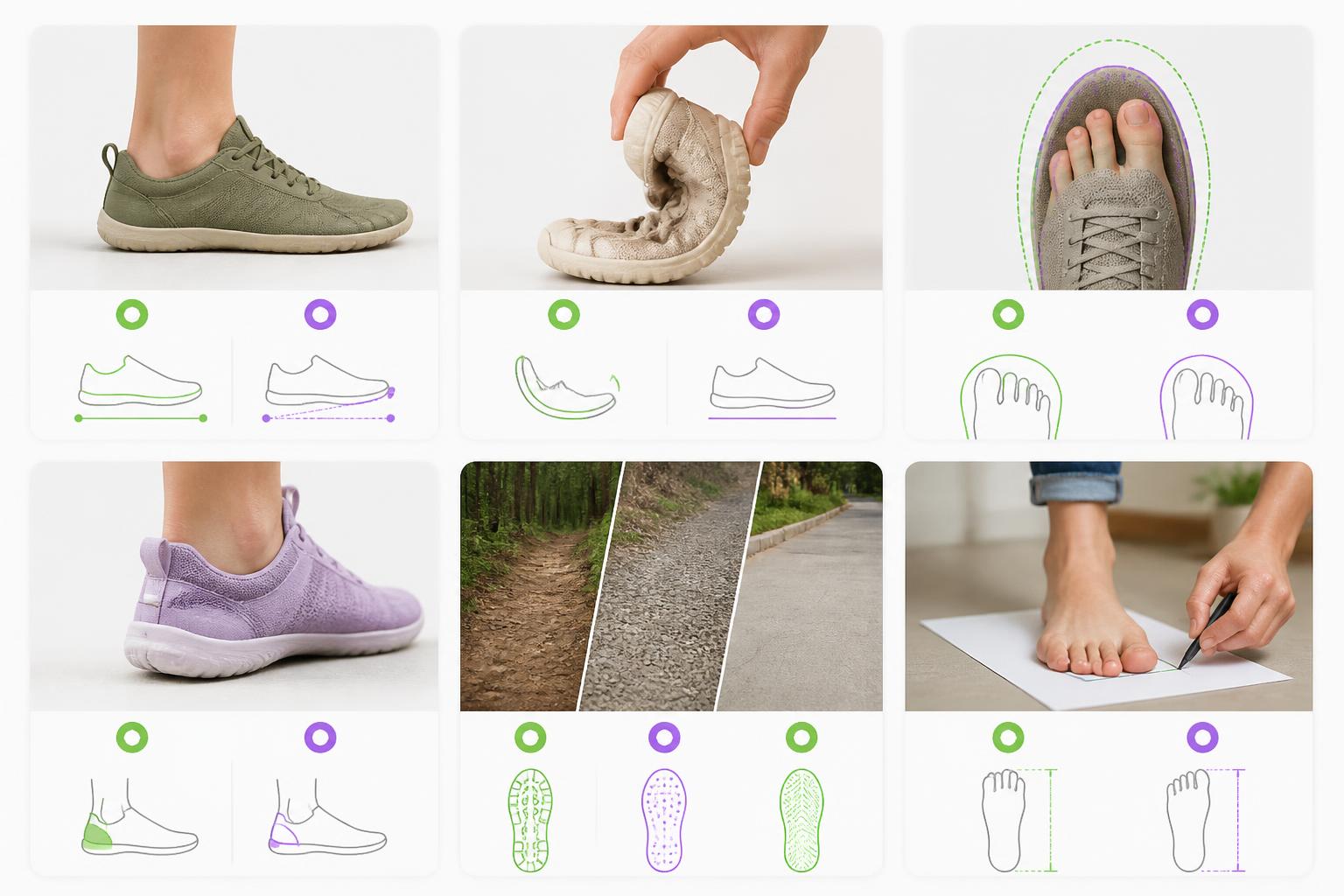
When comparing several shoes, use a table with the same fields for each one. Record each detail as it appears in the product information, and keep confirmed facts separate from your own impressions during the fitting. This prevents an aesthetic feature from becoming an unsupported conclusion about how the shoe will perform.
If a product page does not provide a particular detail, do not fill in the gap based on intuition. You can mark it as “not stated” and decide whether the available information is enough to buy. An unknown detail should not become a promise of comfort, grip or performance.
| Criterion | What to check | What decision it helps you make |
|---|---|---|
| Drop | Whether there is a height difference between the heel and forefoot | Whether the geometry matches what you are looking for |
| Flexibility | Where the sole bends and how much it follows movement | Whether it is consistent with walking, training or moving around |
| Toe box | Side-to-side space and freedom for the toes to extend | Whether the last respects the shape of your foot |
| Support | Instep adjustment and heel hold | Whether the foot stays stable without excessive pressure |
| Terrain | The surfaces and conditions described for the model | Whether it suits the city, gym or trail |
| Sizing | The measurements in the specific size guide and internal allowance | Which size to order and how to check the fit |
Drop, flexibility and the sole
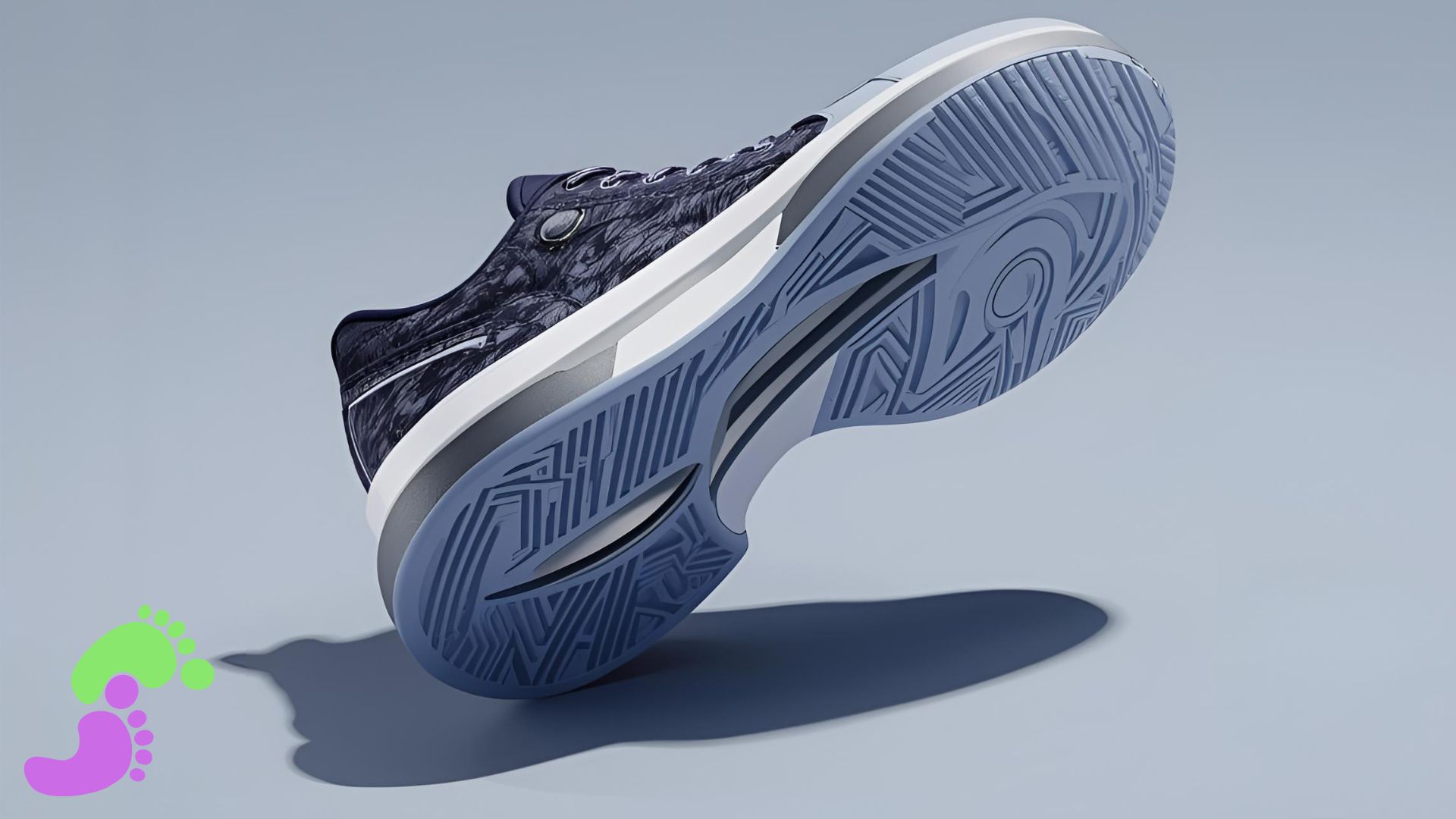
Zero drop means that there is no height difference between the heel and forefoot. This is useful information if you are looking for zero-drop shoes, but it says nothing about width, protection or support. A flat sole does not automatically make a shoe suitable for every activity or foot.
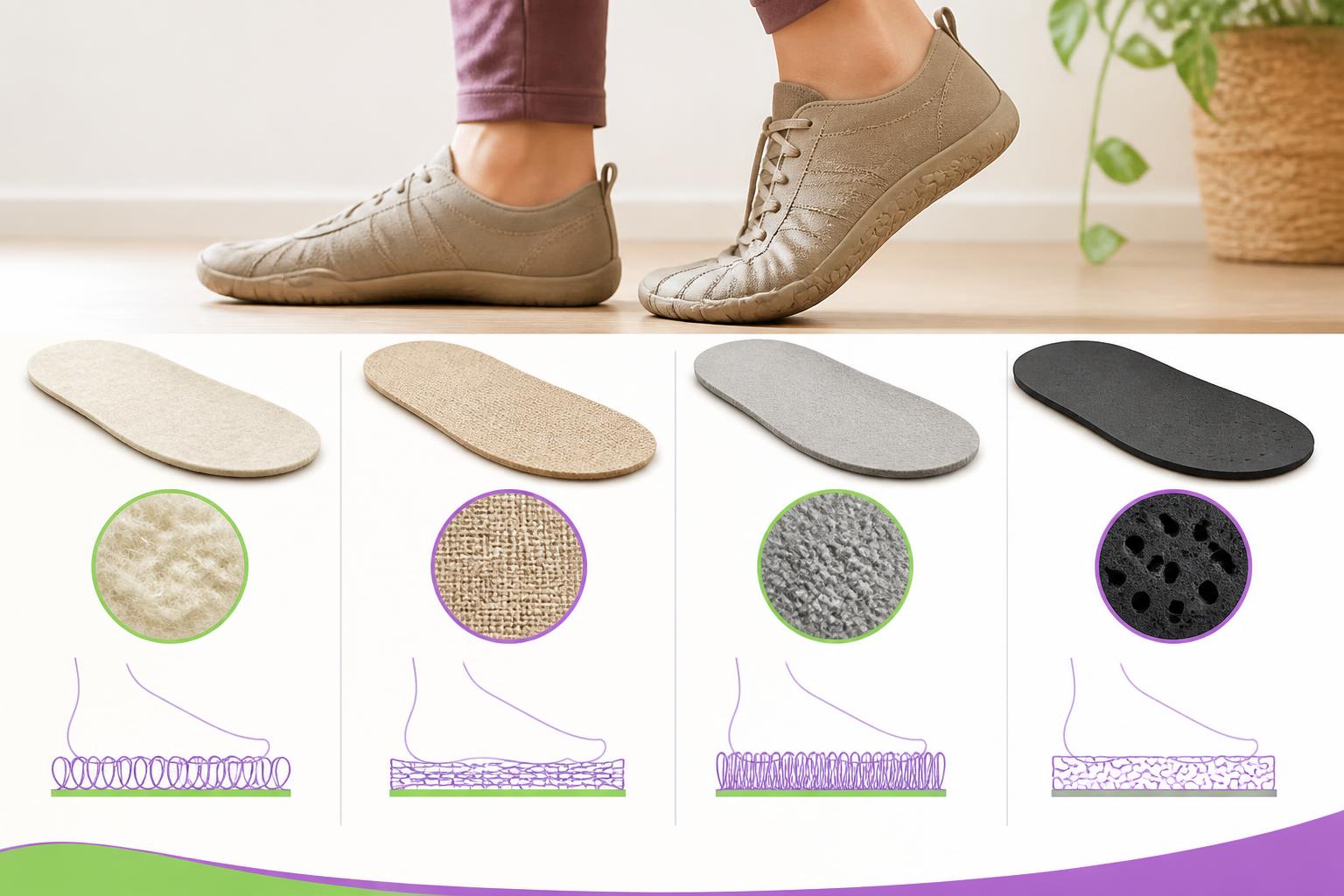
Flexibility should be considered in relation to the activity. For walking, you may want the sole to follow the movement of your foot. On uneven ground, you will also need to assess the grip and protection described in the product details. A thin or flat sole does not guarantee a particular response on every surface.
Toe box, support and internal volume
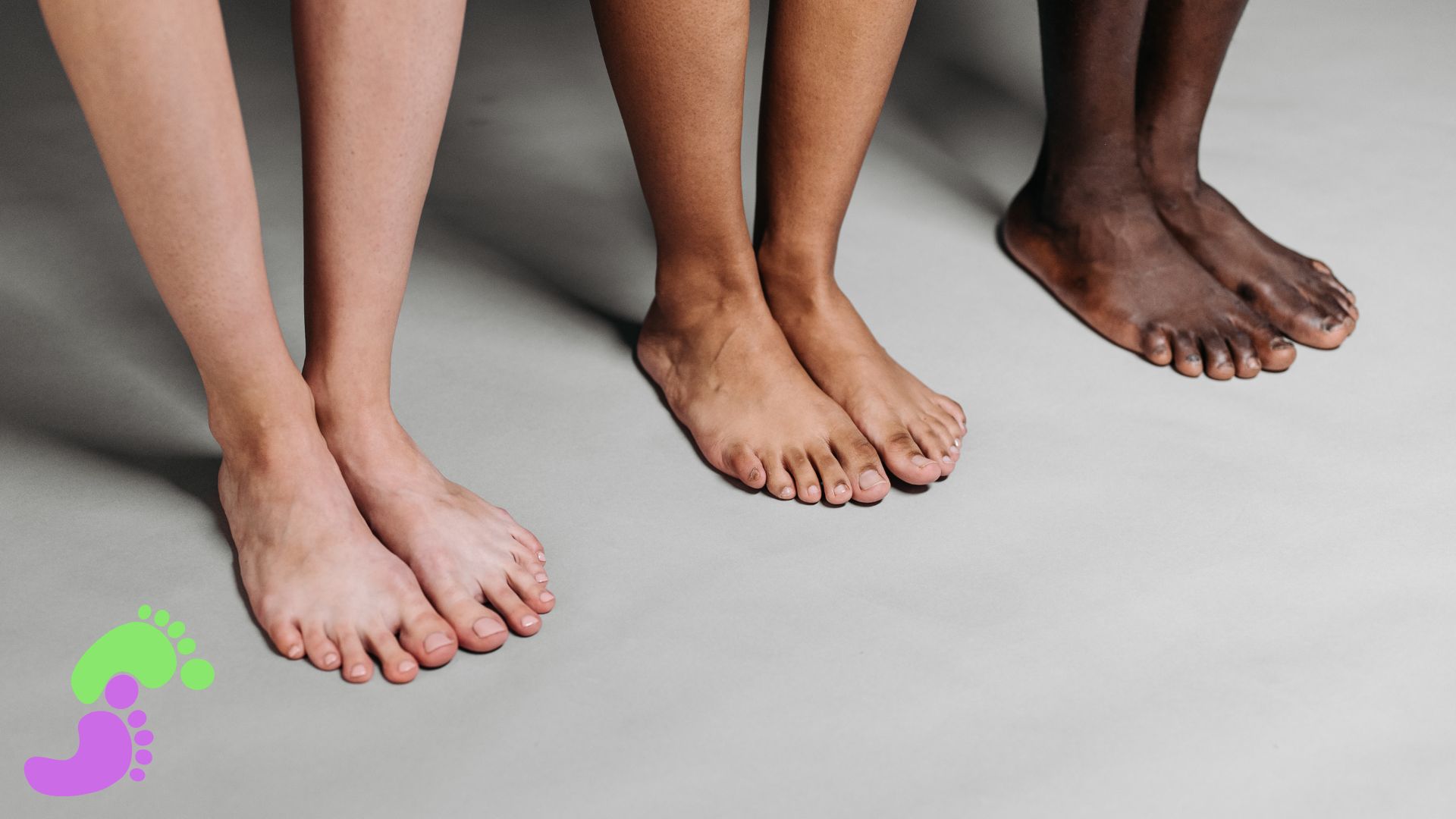
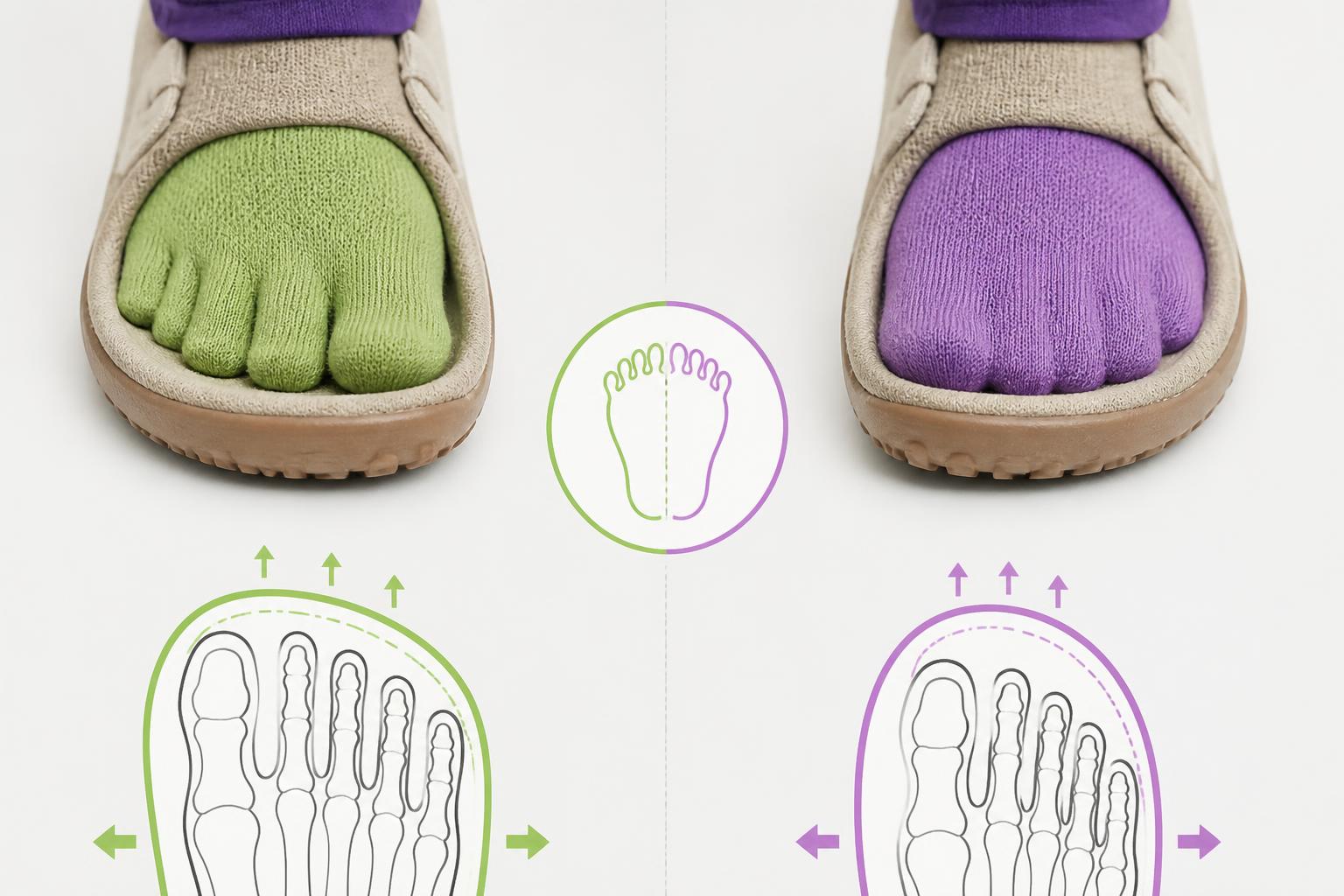
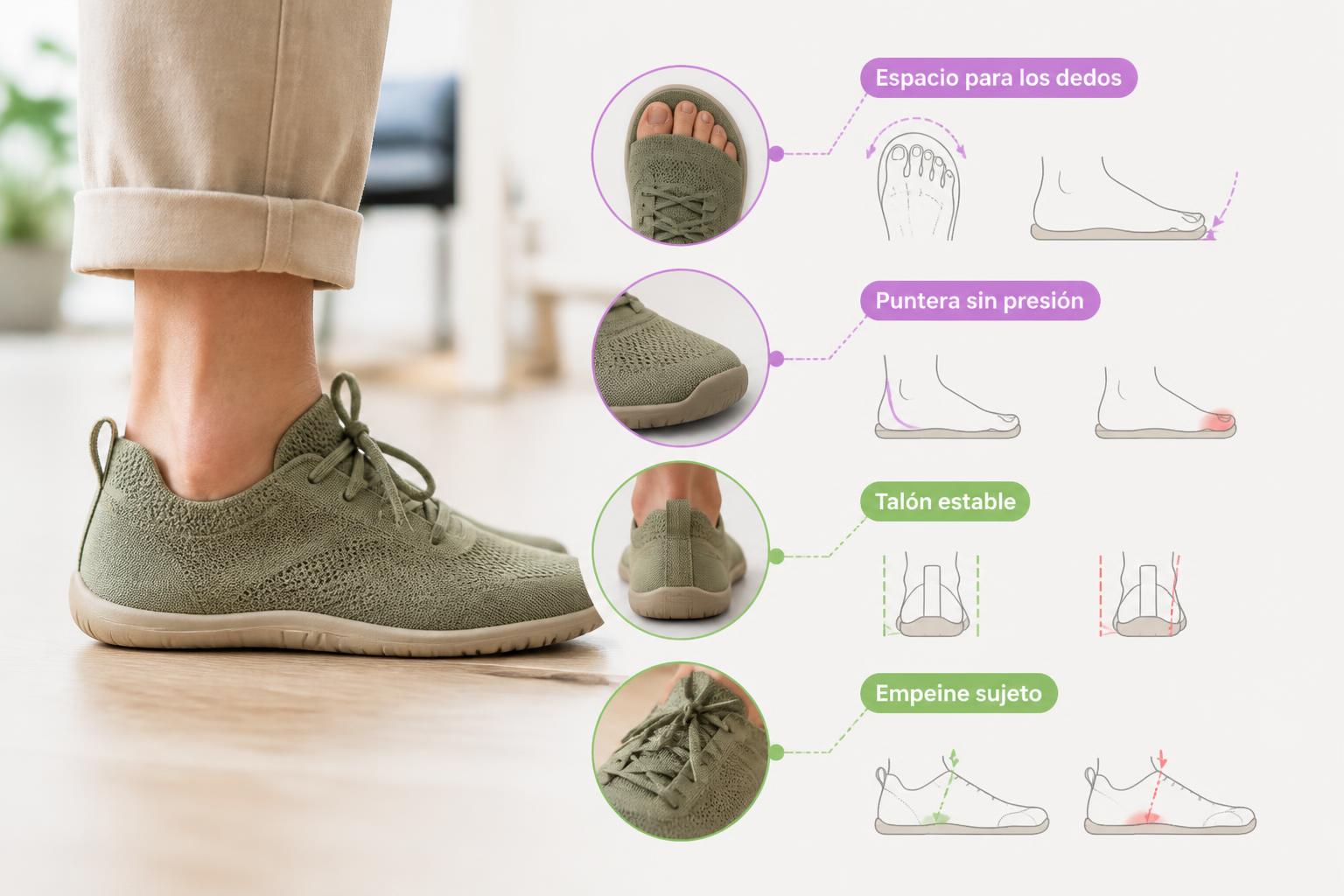
The toe box should allow your toes to spread without being squeezed from the sides. Correct length cannot compensate for a narrow last. You should also consider internal volume: a foot with a high instep may need more room than a foot with a lower profile.
The closure should let you adjust the instep without losing heel hold. Look at the shape of the shoe from above as well as from the side, and check whether the opening and fastening system provide enough adjustment for your foot.
How to assess the model for your intended use
Walking around the city, spending many hours on your feet, training in a gym and following a trail do not require exactly the same features. Start by describing your real use: how long you will wear the footwear, which surface you will use it on and what movements you will make.
Then connect that situation with the information in the product details. If you cannot find enough information about grip, protection or support, do not make a broad recommendation for demanding activities. It is better to choose a more specific use and first check how the shoe responds.
For walking and everyday wear
In the city, it is usually important that the toes have enough space, that the heel stays secure and that the flexibility feels comfortable during your journeys. Also check whether the fastening system lets you adjust the instep properly and whether the interior accommodates the socks you normally wear.
For a long day, try the footwear for long enough to identify rubbing or pressure. A shoe that feels fine for a few minutes may become uncomfortable if your feet swell or if your toes do not have enough room to move.
For the gym, running or hiking
The gym includes many different exercises. Before using a model, check the grip, stability and freedom of movement required for your workout. A sporty label does not mean that a shoe is suitable for every type of session.
Running and hiking require even more attention to the surface, protection and support. If you are just starting out, introduce the footwear progressively and avoid suddenly increasing the duration or intensity of your sessions. This gives you time to observe how your feet respond to the change.
How to get the size and fit right
A numerical size does not describe all the space inside a shoe. Length, width, instep volume and toe box shape all affect the result. Measure both feet and use the longer foot, or the foot that needs more room, as your reference.
The model’s size guide should be your starting point, not an automatic confirmation. Different brands and lasts can vary considerably, even if you normally wear the same number. Fit depends on more than length alone, so compare every available measurement before ordering.
What to check before buying online
Measure your foot at the end of the day and compare the result with the stated measurements. Check whether the product page provides length and width references, and review the exchange or return conditions of the shop where you place the order.
When the footwear arrives, try it with your usual socks and walk around for a few minutes. Your toes should be able to move, the heel should not slip out and the instep should not feel compressed. Check the fit in both shoes, since your feet may not be exactly the same size.
What to do if this is your first barefoot footwear
If you are moving from a shoe with more drop or structure, begin with short periods and simple activities. Alternating barefoot footwear with your usual shoes can help you introduce the change gradually and observe how your feet feel.
Adaptation does not follow the same timetable for everyone. If you develop persistent pain, discomfort that gets worse, or have a diagnosed injury or condition, consult a healthcare professional before continuing. Progressive use is more sensible than increasing exposure abruptly.
Conclusion: how to decide whether to consider Joma Barefoot
Assessing Joma Barefoot shoes makes sense if the product suits the use you have in mind and you can check its actual features. Do not decide solely because of the collection name, a campaign or the apparently flat shape of the sole.
Before buying, review this list: intended use, drop, flexibility, toe box, support, surface and size. If the fit is right and the model information addresses your needs, you will have a reasonable basis for comparison. The best choice is the one whose specifications and fit match your own situation, not simply the one with the most attention around it.